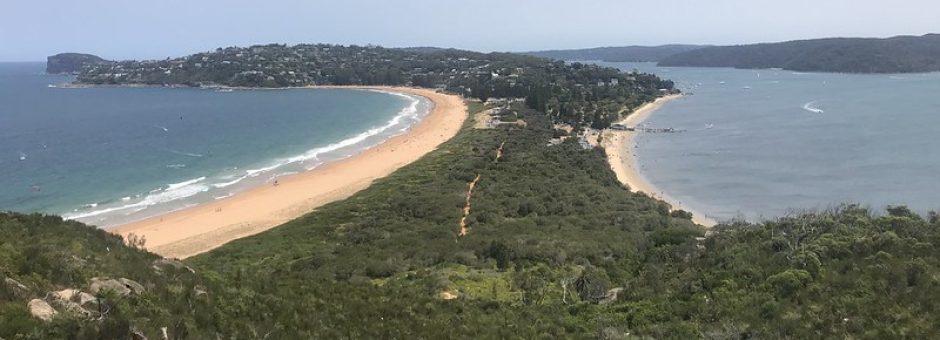
Road Trip to Bellingen – August 2020
It had been almost six months since our last trip. The Global pandemic and associated lockdowns through March,April and May had kept us to within 5km of our home. We were fortunate that we have a lot of parks and foreshore walks near us so it meant our daily routines were better than many others, especially those in the west of the city.
Once the lockdowns eased things got better and although we were “confined” to New South Wales for a bit. What initially felt like a prison sentence quickly turned into a great opportunity to explore our home state.
At the end of June we had bought a car and that would help us get around on a few road trips. It would also be needed as we would shortly become a family of three.
Pacific Highway to Port Macquarie
Nestled in the hillsides of the Mid North Coast region is the Bellinger Valley. In the middle of that valley is a farm. On that farm there was a converted cabin with fantastic views towards Dorrigo National Park. The perfect place for a baby moon.
At just over 550km north of Sydney it would be a long journey so we broke it up with an overnight stay in Port Macquarie on the way up and on the Central Coast on the way back.
Our first stop on the journey was in the town of Taree. Situated on the banks of the Manning River and settled in 1831 it’s main focus is to support the large agricultural hinterland around it. To get to the town you have to cross the Martin Bridge that was built in the 1940s to replace the timber steamer boat that connected the two sides of the river. We had some lunch at a great little cafe called Raw Sugar and then walked along the riverbank.

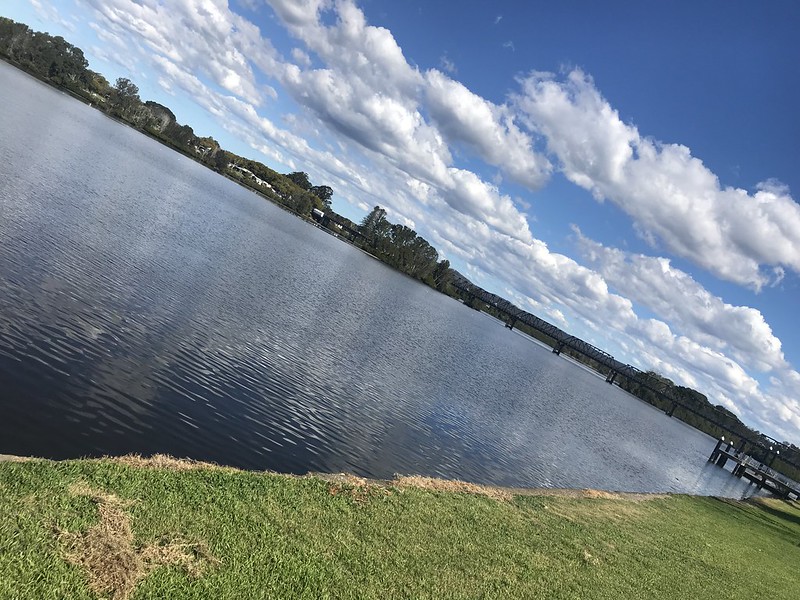
About another hour later we reached Port Macquarie and drove round the CBD to the ferry crossing at Settlement Point. Our accomodation was at the Akuna Luxury Waterfront Retreat on the small North Shore Settlement. A street of river houses with the Limeburners Creek National Park to surrounding it.
What do you get when you mix a handyman with an interior designer?
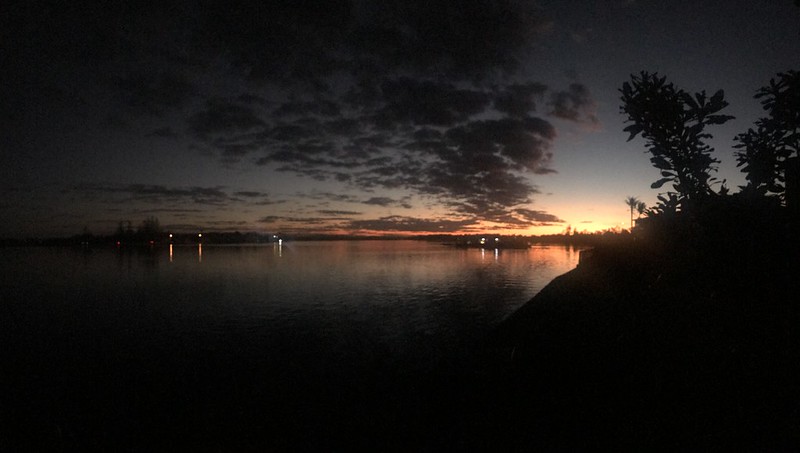
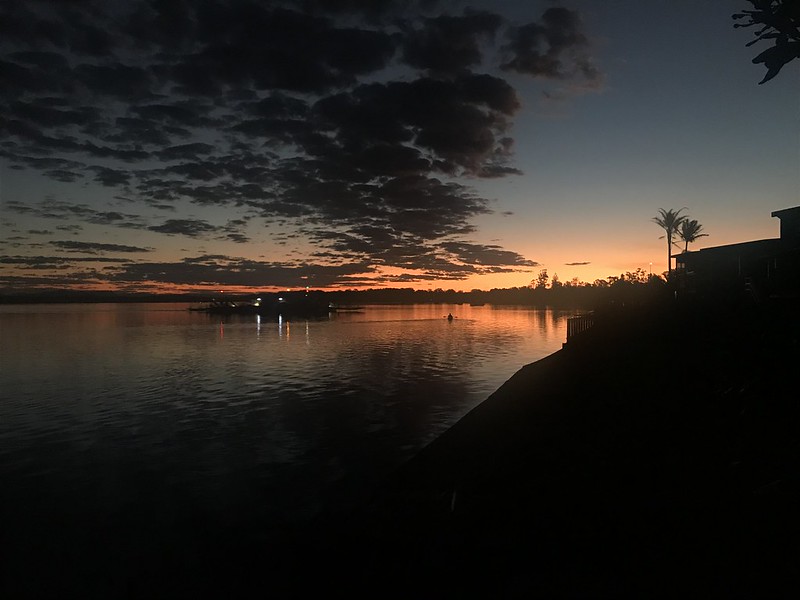
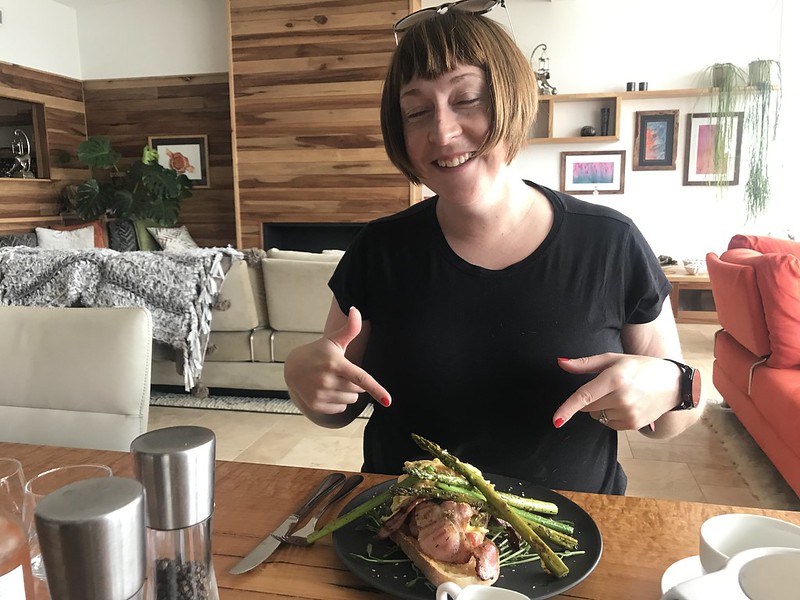
You get a wonderful evening in a funky location. Our hosts were awesome. We had sunset wines (and sparkling waters) on the deck looking out across the Hastings River followed by an amazing dinner in a fantastic stylish space. The decking itself was made from old wooden railway sleepers. The breakfast the next day was even more solid.

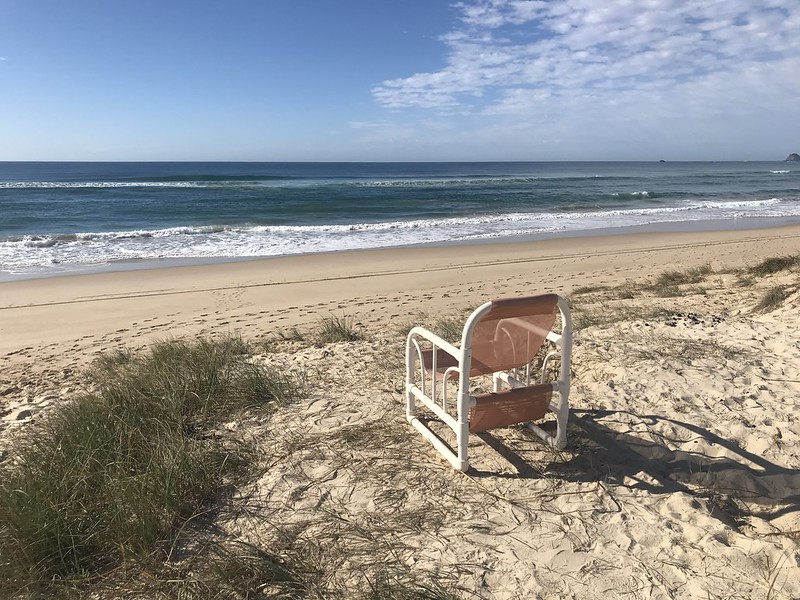

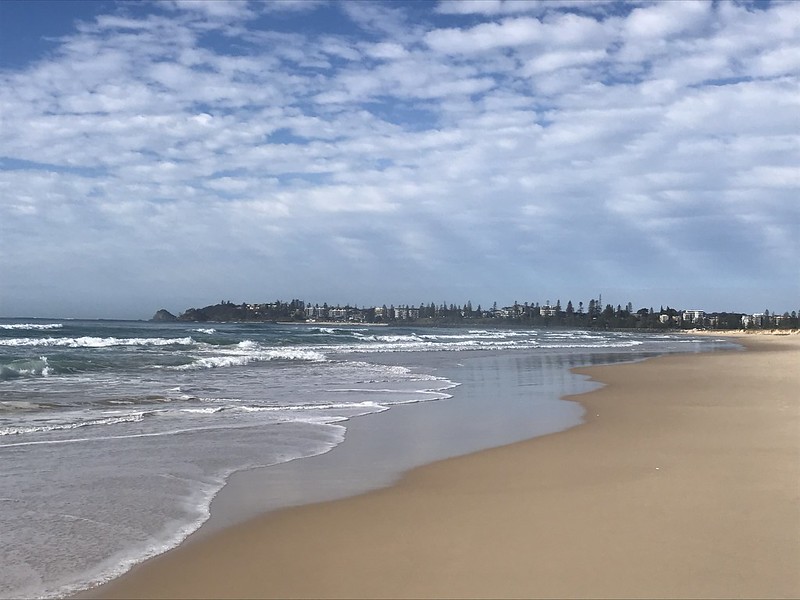


After taking a stroll up the road to the nearby North Beach we headed back over the ferry and into the town itself. Before the British colonised this area in the 1800s it was a large Aboriginal settlement of the Birpal clan. Numerous hills and forests and the mouth of the Hastings River made it ideal for supporting shelter and hunting.
Port Macquarie started out as a penal settlement, replacing Newcastle, further down the coast as that previous site had opened up to farming and settlers with the expansion of civilised settlement from Port Jackson (Sydney). At that time – the harsh terrain and isolation of the peninsula made it ideal for this sort of thing as was the on hand supply of aboriginals to provide a force of bush constables.
Like in Port Arthur and other penal settlements, the initial convict labour force was put to work and a burgeoning timber industry was established followed by Australia’s first sugar cane plantation in 1821.
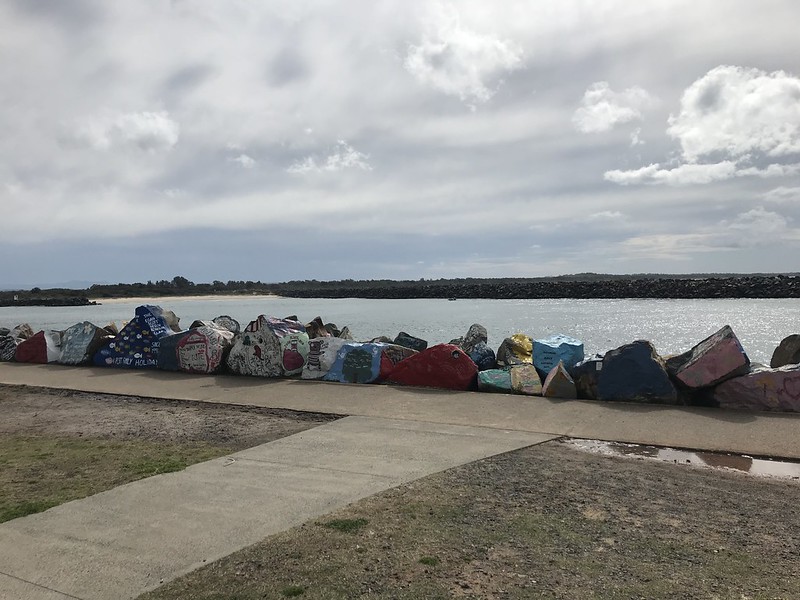
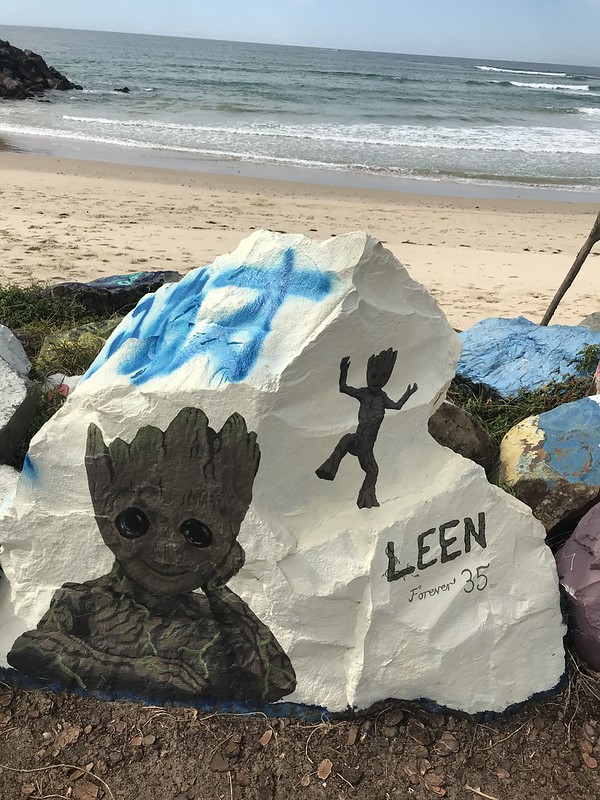
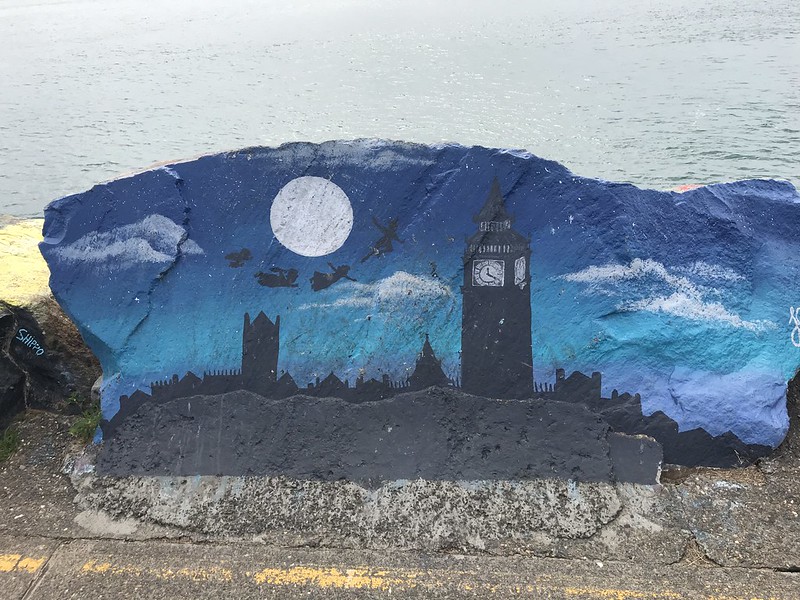
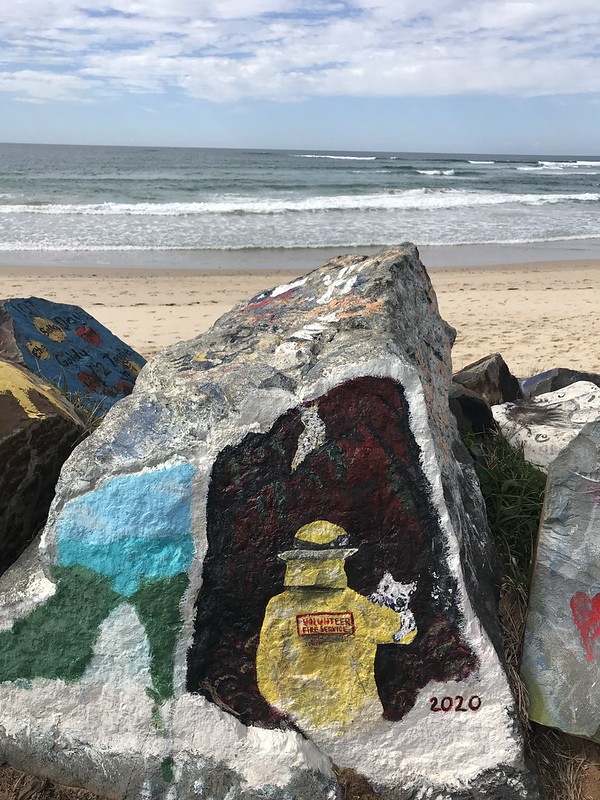
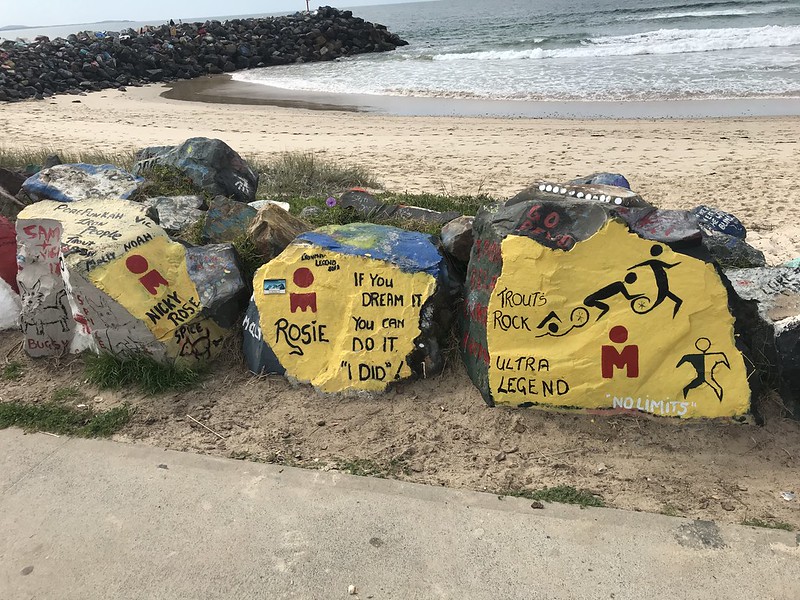
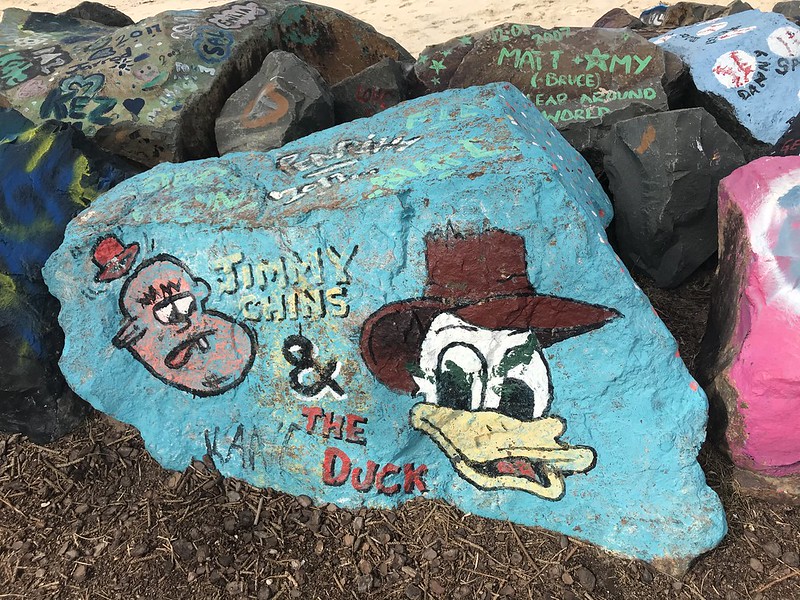
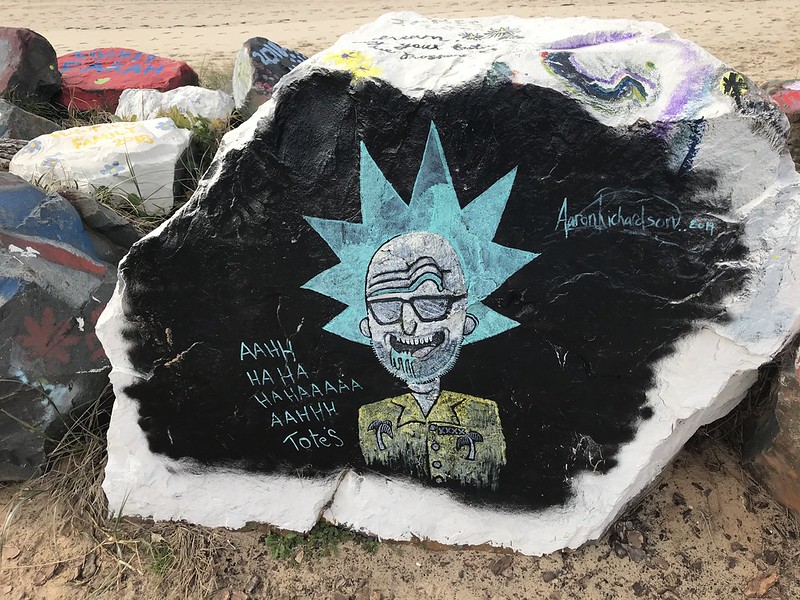
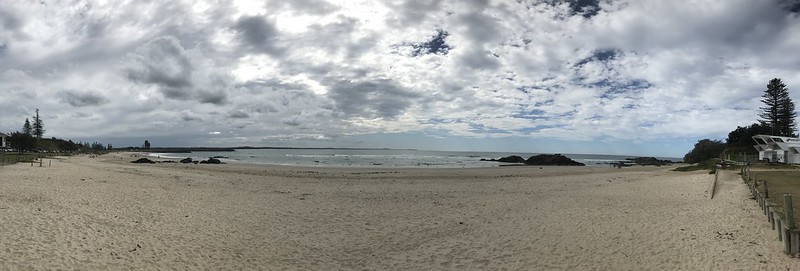
Today it’s a nice seaside town with some fantastic beaches and walkways, of which we spent some time enjoying before continuing our journey northward. The highlight was walking part of the Town Beach Breakwall. The rocks are all works of art – with graffiti creating a collage of messages, tributes, memories and dedications. The views across the Hastings river are pretty good too. We also stumbled upon a statue of a koala bear which is part of the Hello Koalas Sculpture Trail. 87 (including this one) statues of Koala Bears in various poses and colour schemes runs through the town. So popular that they even have their own giftshop.








North, Mrs Hamilton!Due North!
After leaving Port Macquarie we rejoined the A1 Highway and travelled north for another 70 minutes until we almost touched the Bellinger River. Instead of crossing this body of water we took a sharp left and headed another 20 minutes inland to the town of Bellingen.
The settlement sprung up in the 1840s on the back of a nearby supply of red cedar and rosewood but by the early 1900s this supply was virtually diminished so all the cleared land was converted to farming – mostly sheep and cattle. Again this boom declined in the 1960s thanks to the European Common Market and the impact of exports to Britain of dairy products. Today there is some farming still but taking up the slack is a rise in tourism and a blossoming ‘hippie culture’ as people migrate from nearby Byron Bay to the town. This includes the variety of restaurants with hip Middle Eastern Zaatar being our favourite.
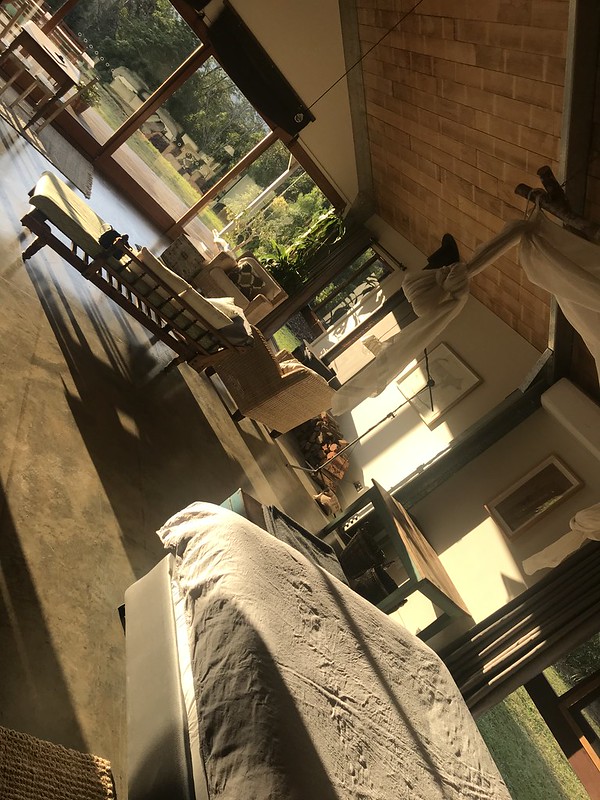
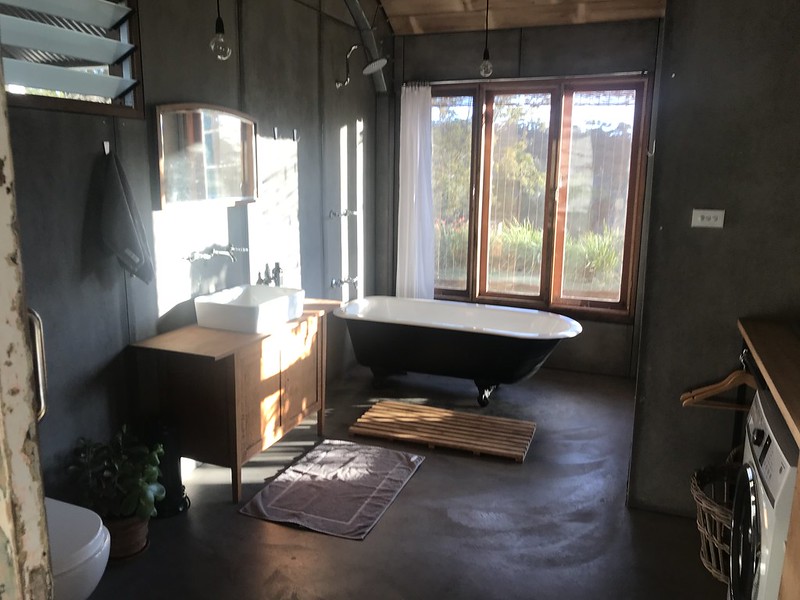
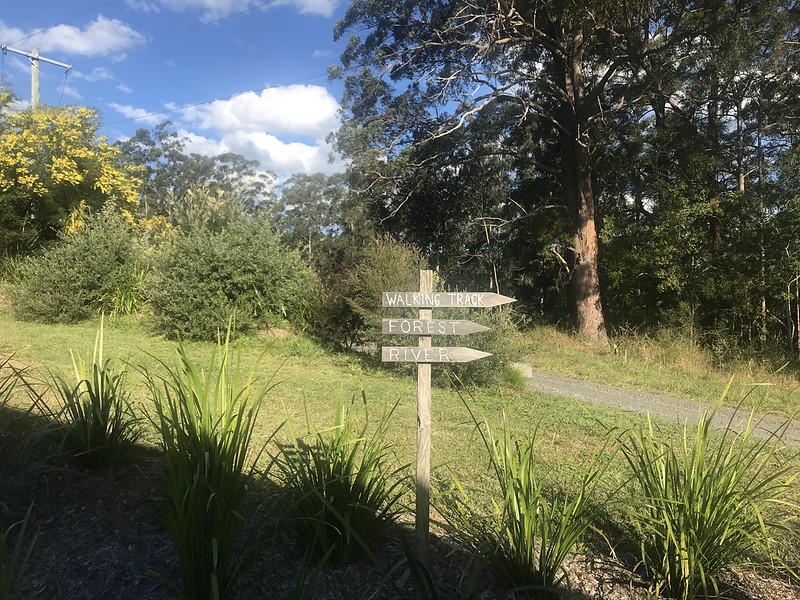
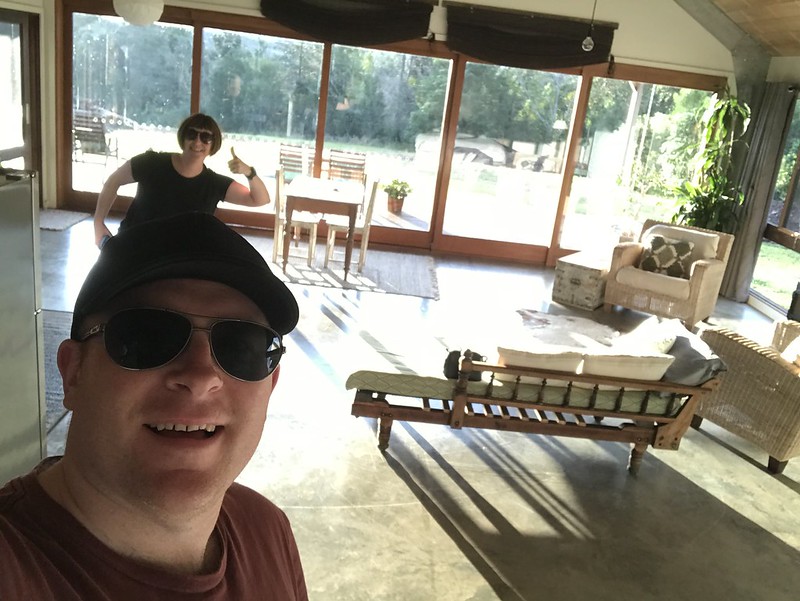
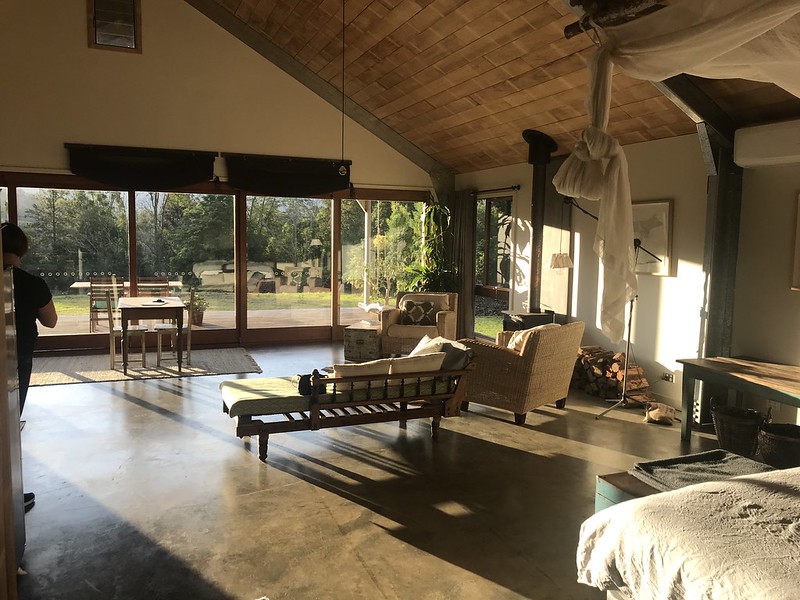
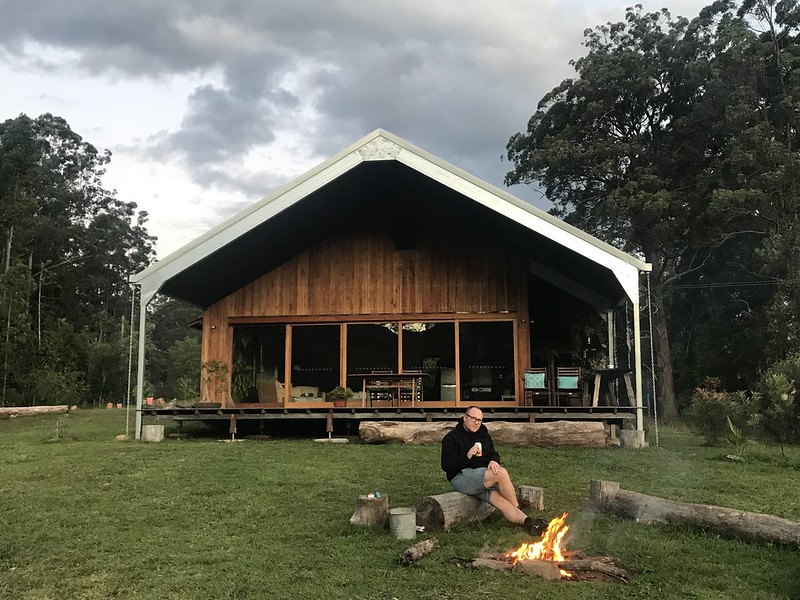
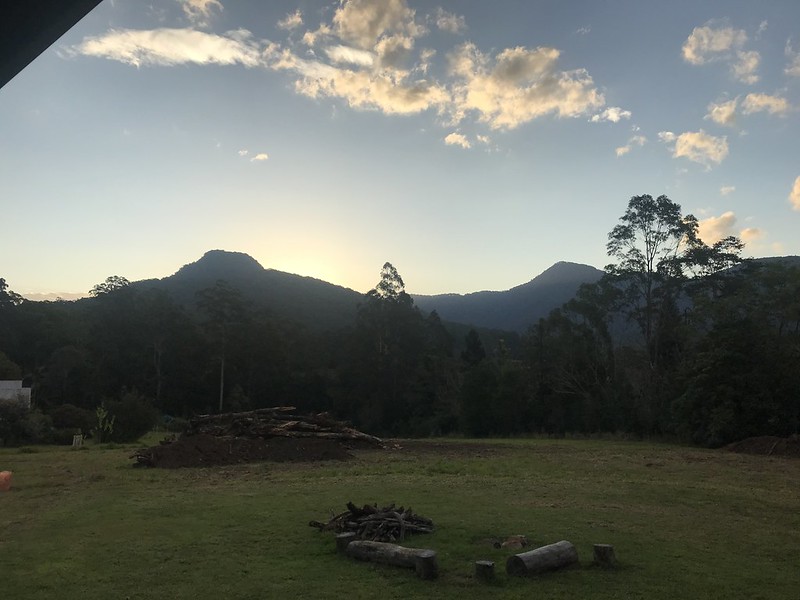
Our cabin was located another couple of kilometres into the countryside in a corner of the world called Never Never. The place was fantastic. Open planned except for a bathroom to the side and with some modern finishings we had incredible views of the forests and mountains of Dorrigo National Park in the distance. There was also had a great deck to sit out on and a fire pit as well. The property, a farm, had diversified it’s income by building two cabins on its land but with the foresight to situate them apart so it felt like we were all alone in the wilderness.


Chasing Waterfalls
Bellingen is connected to the New England hinterlands and the town of Armidale by a road called Waterfall Way. Luckily for us it’s not just clever advertising with at least 8 of them according to one blog. We went on a road trip up the mountain to the town of Dorrigo and it’s National Park to visit some of them. The windy and at time single lane climb took us over the first two – Newell’s and Sherrrard Waterfalls.
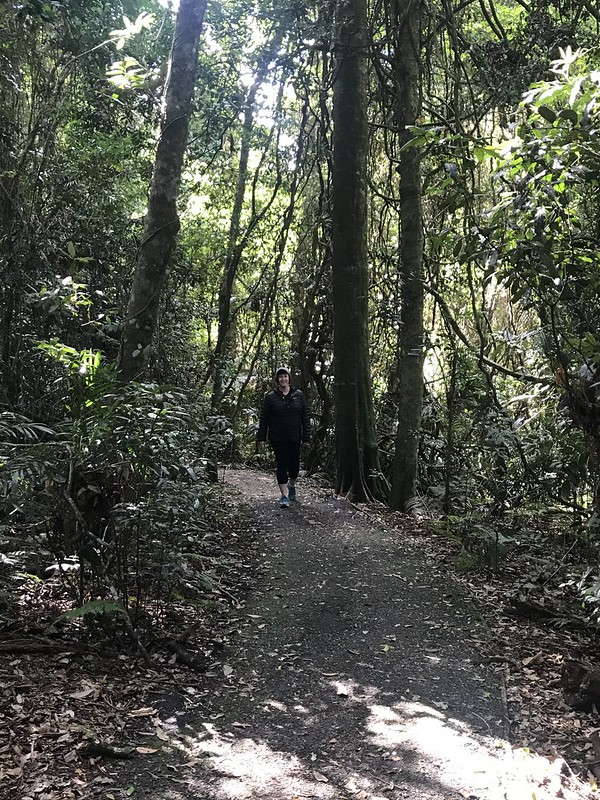
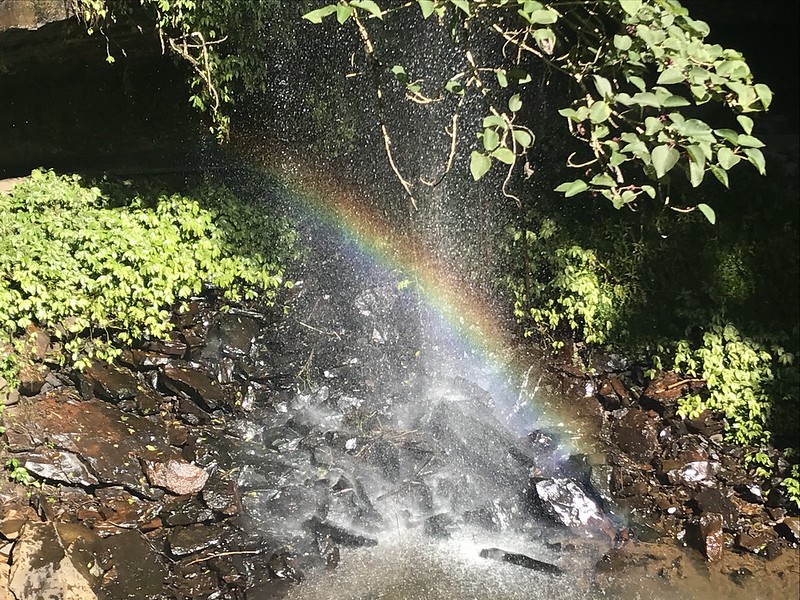
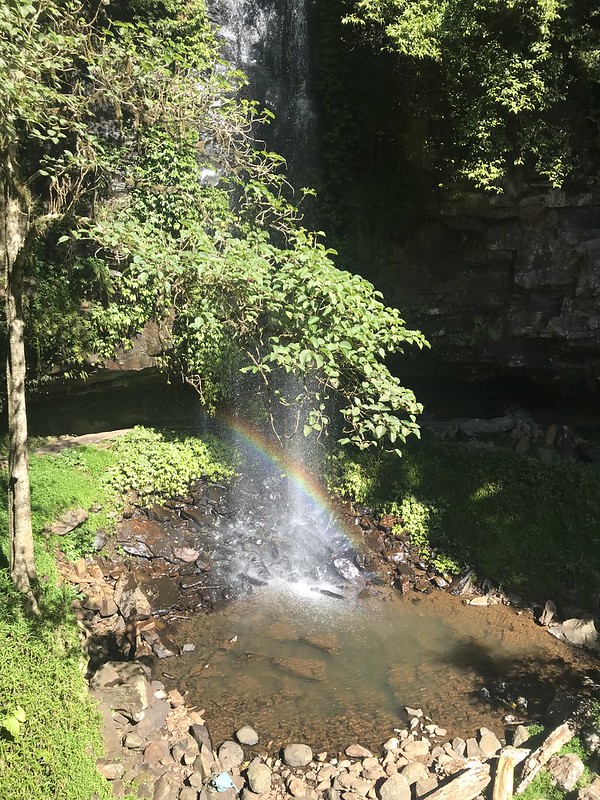
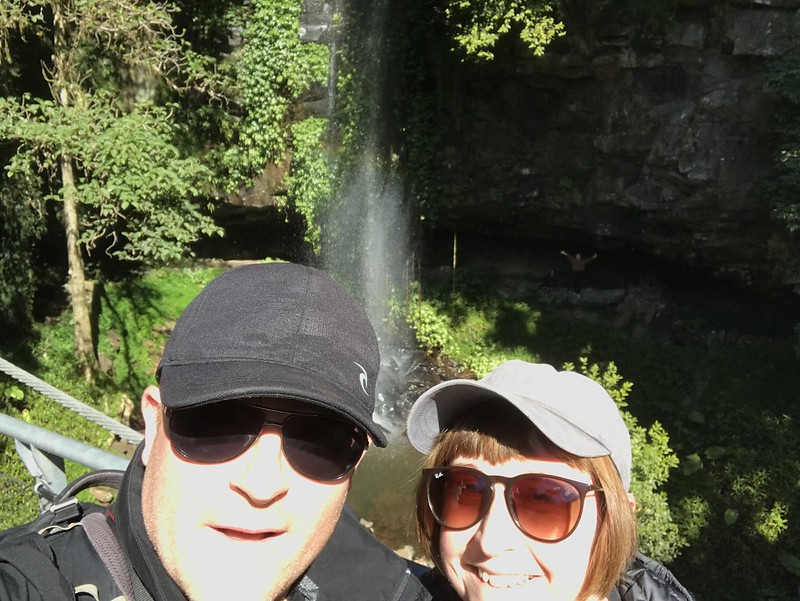
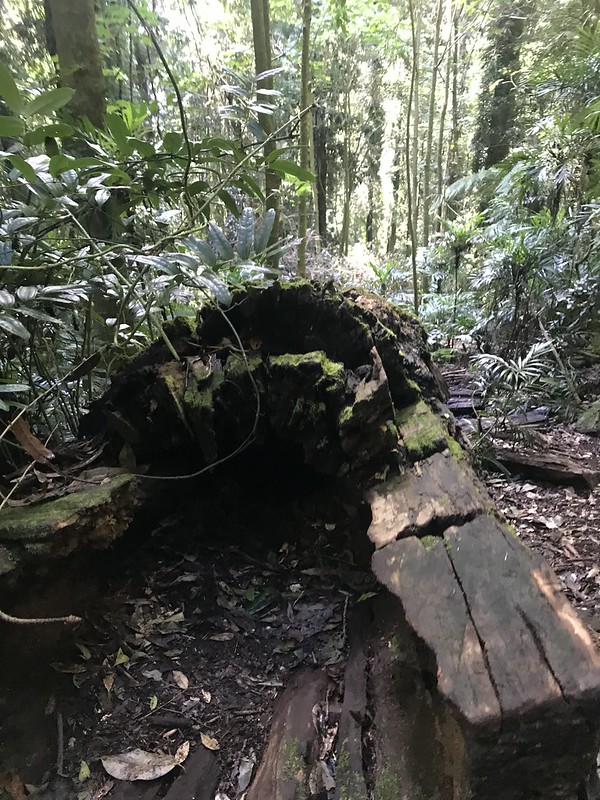
The Dorrigo National Park is part of a wider UNESCO World Heritage site called the Gondwana Rainforests of Australia. In addition to trees that are 600 years old there are over 100 species of birds in the park as well as dozens of mammals and reptiles. It had an amazing elevated walkway through the treetops called the Skywalk as well as numerous tracks. We descended into the park and eventually made it to the Crystal Falls (on the Wonga Walk) just in time to capture a rainbow through the jets of water as the sun was behind us.





Boardwalk Empire
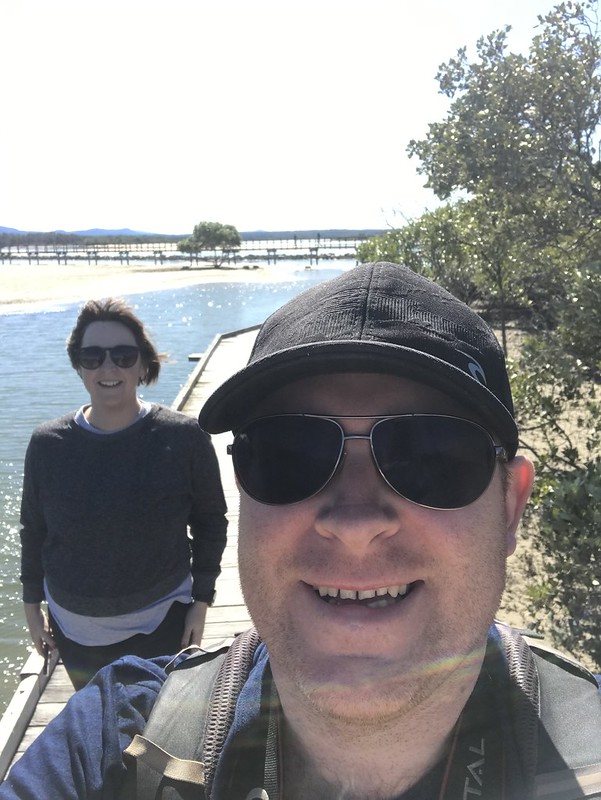
After heading inland to the National Park we spent the next day going the opposite direction to the coast. Urunga is a small seaside town south of Sawtell and Coffs Harbour. It’s name is derived from the Gumbaynggir word for “long white sands”. Appropriate as there is a huge beach here alongside a the lagoon. To enhance access to the beach a boardwalk was built over the tidal waters and wetlands that form the estuary of the Bellinger River.



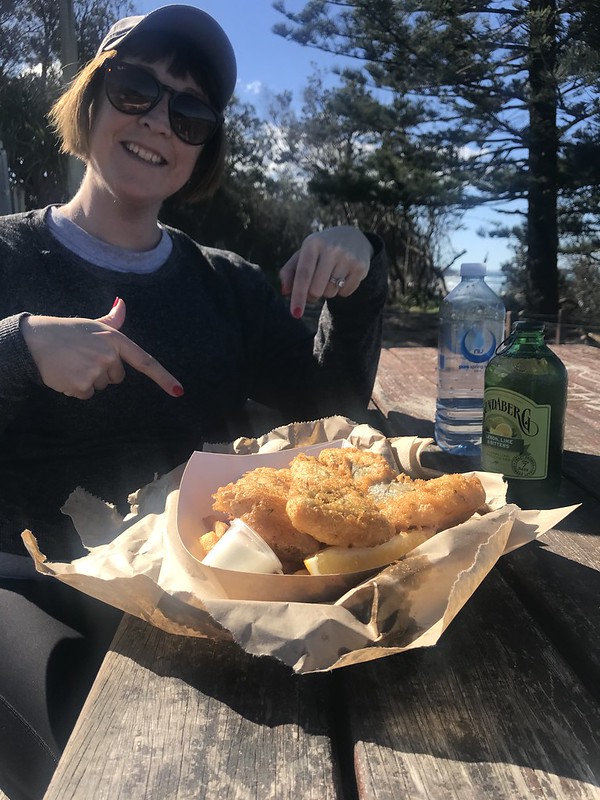
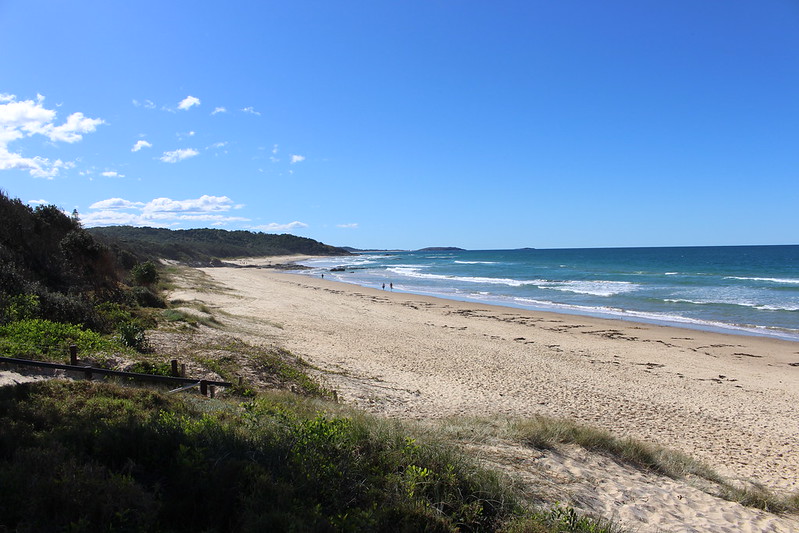
We spent the morning exploring the beach before driving north to the town of Sawtell to sample some of it’s famous fish and chips for lunch overlooking Sawtell Beach. Sea Salt on First Avenue might not look like much but the food was great. The town has an interesting foundation story. In 1863 a cutter carrying a load of cedar logs ran aground on the beach. A local farmer called Walter Harvey assembled a salvage team and a small site developed near the wreckage. 40 years later a man called Oswald Sawtell bought the land and subdivided it for housing and farmland before the railway station, post office and hotel sprung up.


And back again
After a couple of days of relaxing, exploring the Northeast coast of New South Wales and some good food we packed up the car and got ready for the journey back to Sydney. After about an hour of driving south we turned off the A1 and headed across the Macleay River to the town of South West Rocks.
Another beach town that is popular with campers, we took a walk around Horseshoe Bay. As it sits on one of the few north facing bays on the East Coast we were afforded great views back up the coast. Nearby is the remnants of the Trial Bay Gaol, a former penal settlement that at one point during World War 1 was used to hold German POWs and resident Germans. Two prominent internees were a pair of scientists who had been visiting Australia to attend the Congress of the British Association for the Advancement of Science. They would be forced to overstay their trip by another 3 years.
Today very little of the gaol remains and a reserve has sprung up in it’s stead. A small stone cairn was erected to honour the five internees who passed away during their imprisonment.

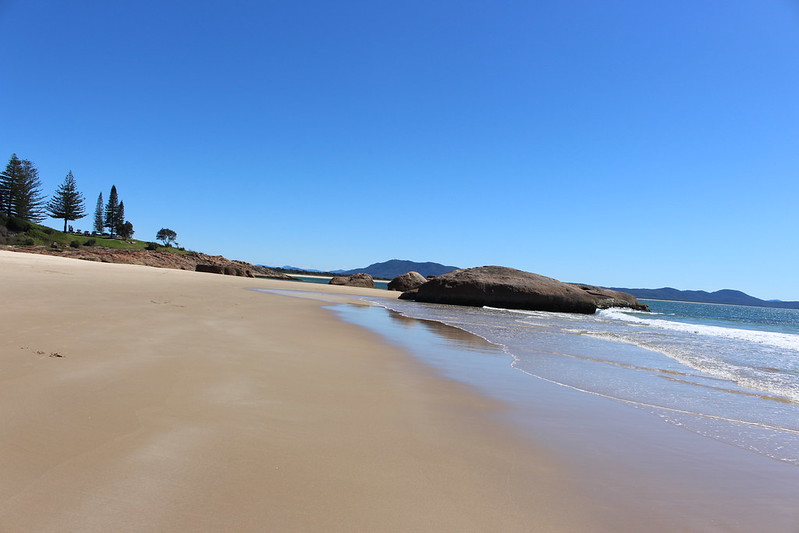


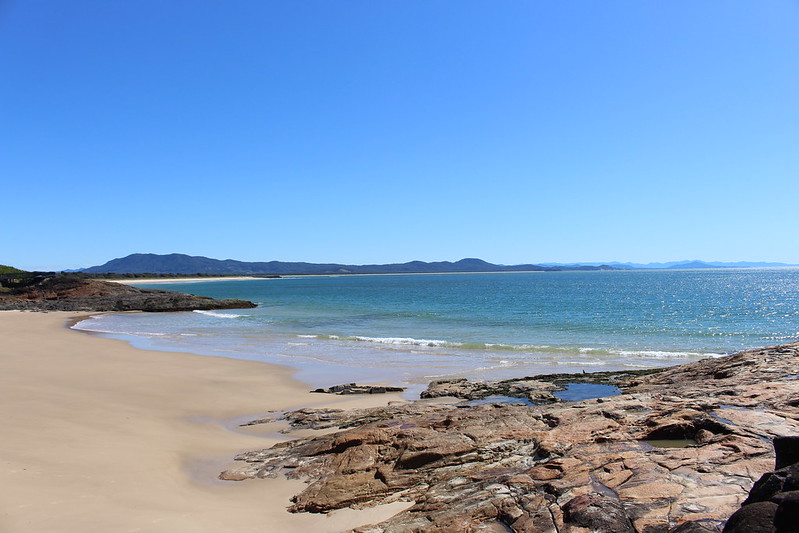
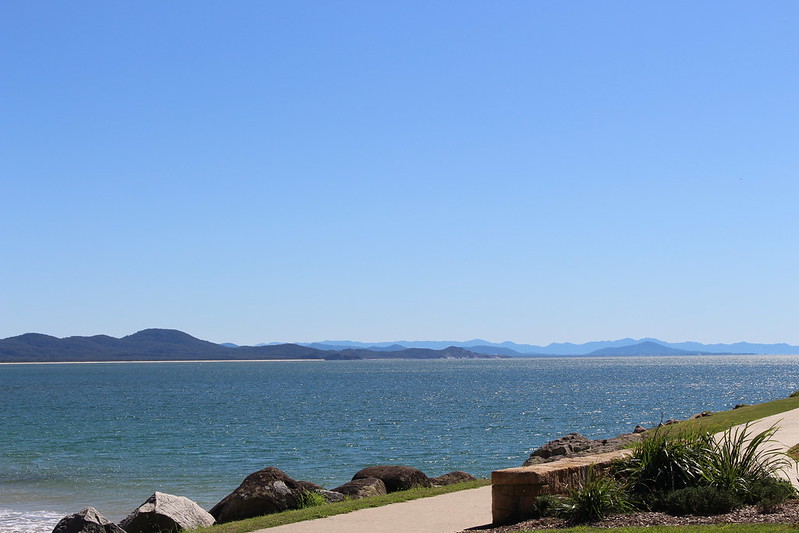

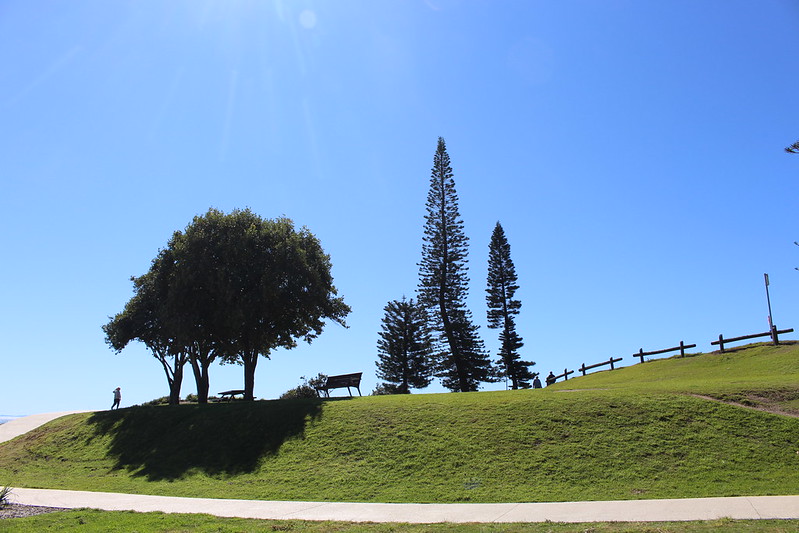
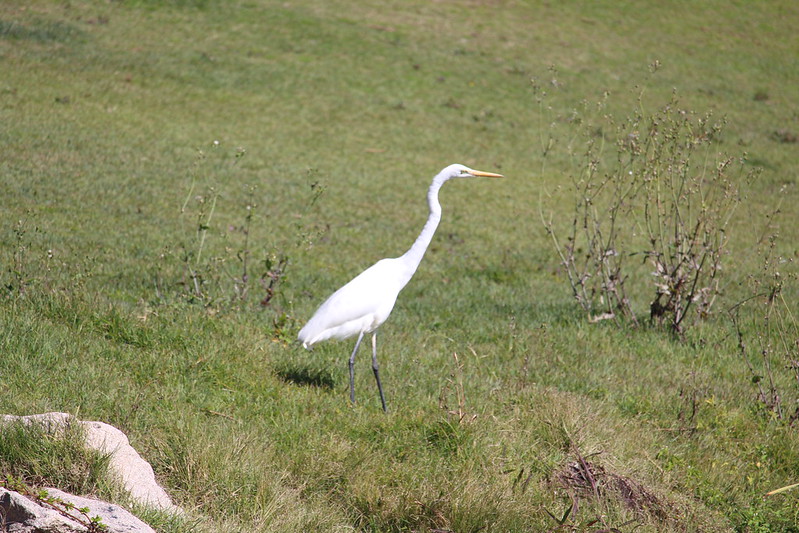
We decided that we would break up the journey back to Sydney and after an extensive search for available accomodation we managed to find somewhere just south of Diamond Beach called Black Head, a very small surf beach with a couple of shops. The next day we popped down to Forster on last leg of the journey home.
Prologue
We really enjoyed the relaxation that the Mid North Coast of New South Wales had to offer. Plenty of beaches and lookouts to keep us occupied; some really great seafood and cafes and who does not love exploring a national park. You can see why it’s a popular driving holiday route.
Bellingen was a nice town and the tranquility of our cabin retreat was pretty special. Very different to our last trip – the rugged coastline of Tasmania.
 JKRoaming - Travel Blog
Oh, this brings back wonderful memories of living, for a short while, in Sydney and going to many of these places. Love your photos, John, and your adventurous spirit! 🙂
LikeLiked by 2 people