
The first sign of trouble was the amount of notices and placards that adorned the till at the coffee shop. Each one a variation of “Keep Calm and wait for your coffee” or “This may take a while so behave yourself”.
We had arrived at Wemyss Bay Train and Ferry Station with around 20 minutes to spare before our ferry to the Isle of Bute, the Caledonian MacBrayne Ferry no less. There was time to order a coffee before we boarded. Or so we thought.
The cafe looked really good, the promise of a decent cup of coffee lingered in the air. It had been about a week since we left Australia and like Bruce Willis in the movie Hudson Hawk – John was constantly being denied a real coffee at every turn. The rest of the family walked down the ramp to board the ferry as John and Dan remained behind to scoop up the coffee order and bring it down.
15 Minutes to board, 10 minutes to board, 5 minutes to board – no coffee is forthcoming, Boarding has commenced, boarding is closing in 10 minutes no coffee, boarding is closing in 5 minutes, boarding is about to close – finally coffee. Like Bremner and MacGregor – Dan and John had to leg it from the coffee shop, down a 500m corridor and literally jump on the boat to make the final final final call. As they dusted the coffee that spilt out of the cups from their jackets they looked up to see that not only was their a coffee shop onboard the boat – but it looked like it was a better choice than the one we nearly missed the boat for.
Nothing like a little drama to start an adventure day. With a 35 minute journey there was time to sit back, relax, enjoy that coffee and think about where we were going.
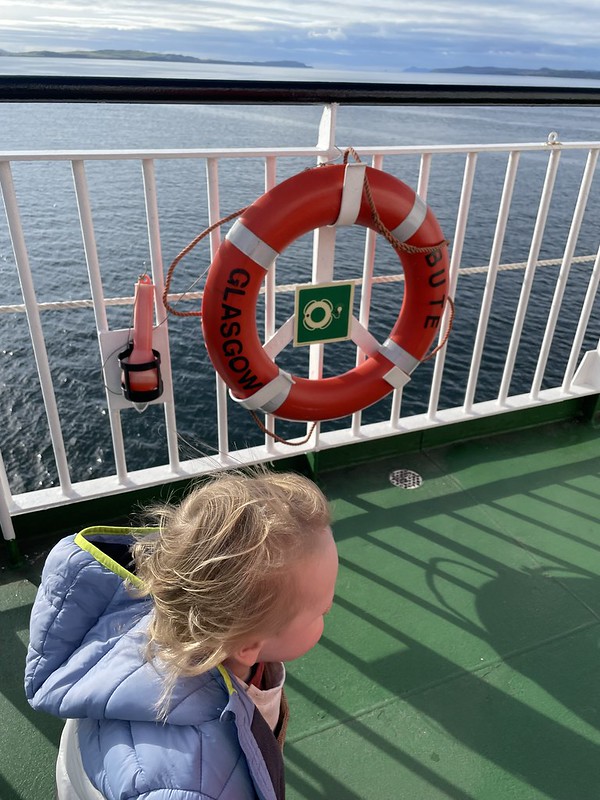
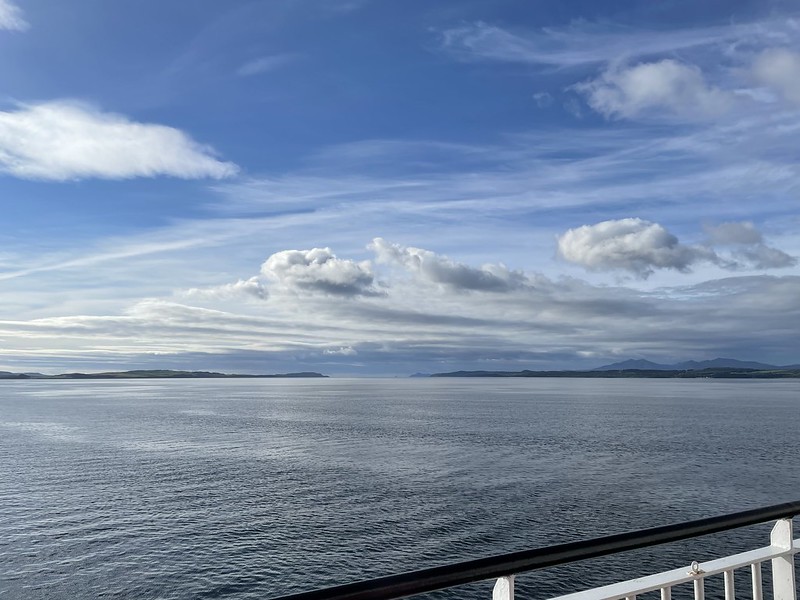
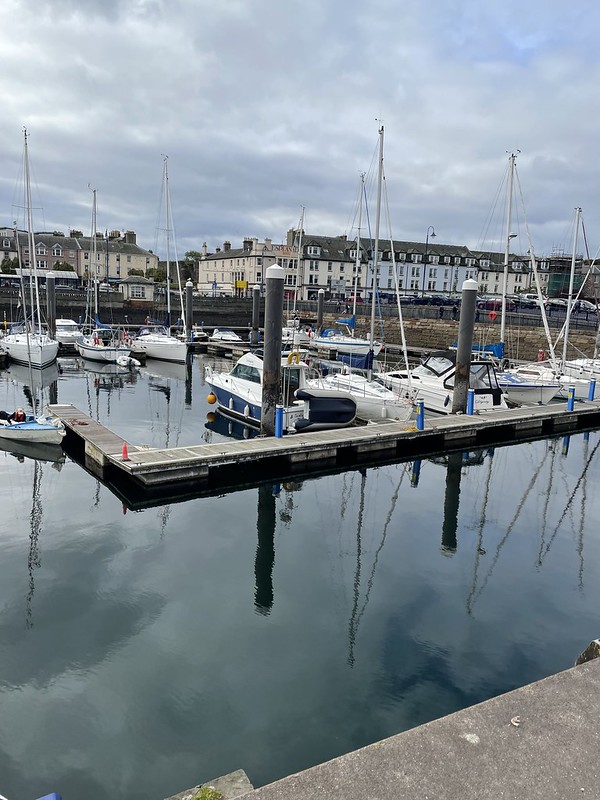
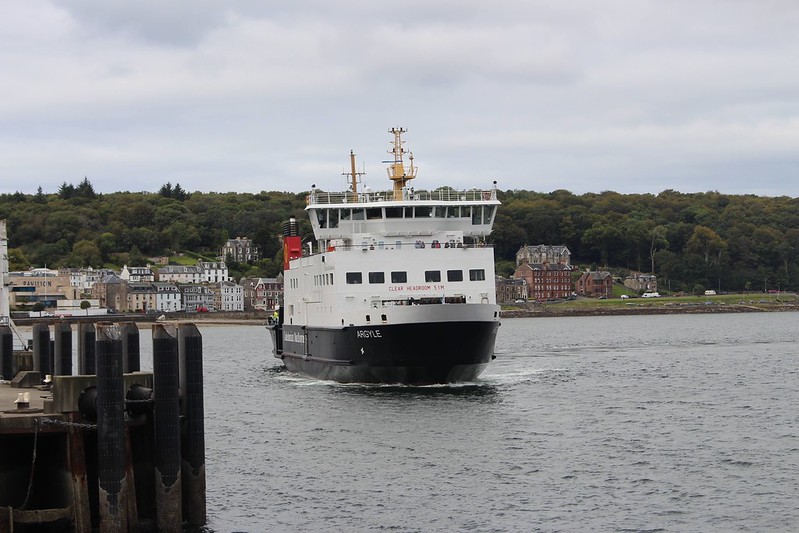


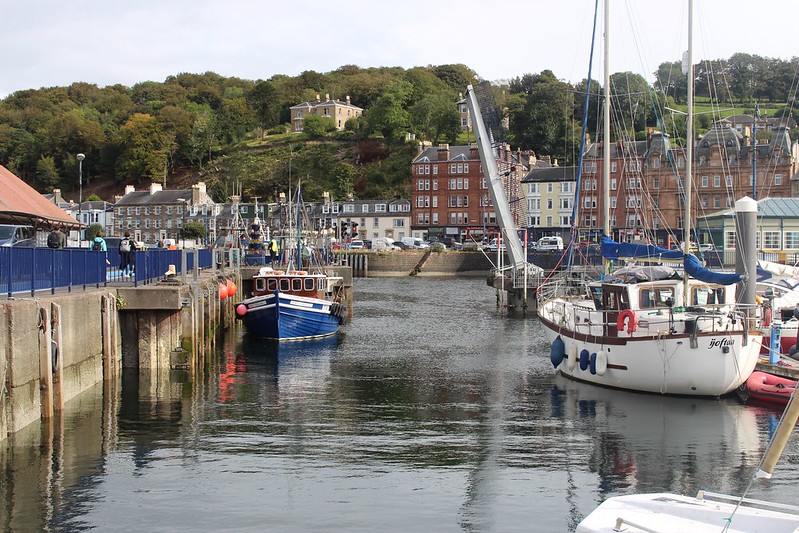
Is it Rothesay or is it Bute?
The island is called Bute – a possible nod to the Old Gaelic word for fire ‘bót‘ due to signal fires that date from the Viking period. They (the Vikings) also referred to it as Rothesay – Rother’s Island – a name that was taken by the main town on the island.

It spent it’s earlier years swapping hands between Gaelic missionaries (Blane and Cathan), Normans and the King of Norway before settling under the Scottish King Alexander III under the Treaty of Perth in 1266. Later in 1400 King Robert declared the town a Royal Burgh and a dukedom was created which is given to the heir apparent to the Scottish throne – this would be of course be William, Prince of Wales due to recent events.
During World War II Rothesay Bay was the home port of HMS Cyclops – the depot ship for the 7th Submarine Flotilla of the Royal Navy and virtually ever single British submariner who served in the war was trained at a facility in the town. At the same time there was a Polish internment camp located in the town – in actuality it consisted of a collection of hotels that were used to host former members of the Polish Army that escaped Nazi occupied Europe following the Fall of France in 1940. The most famous of these was the former Head of the Polish Air Force – General Ludomil Rayski.
The town is very picturesque with a recently redeveloped harbour and seafront. On landing we made our way into the centre of the town and up the narrow and winding Tower Street to Rothesay Castle.

Built by the Stewart Family in the 13th century and incorporating a unusual circular plan it consits of a huge curtain wall and four round towers surrounded by a broad moat which kept Norse invaders away. Only one of these towers has survived to today as the castle fell into disrepair in the 17th century after soldiers from Oliver Cromwell’s New Model Army dismantled the structure in 1660.
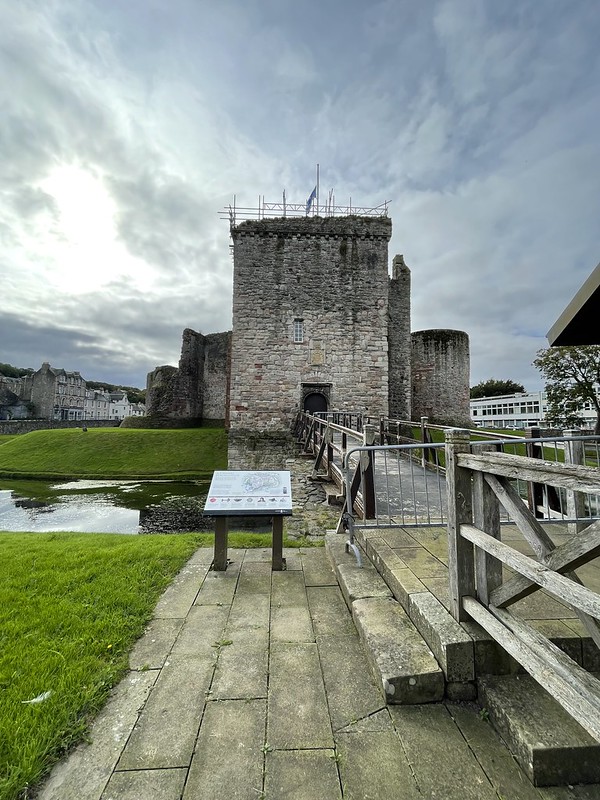
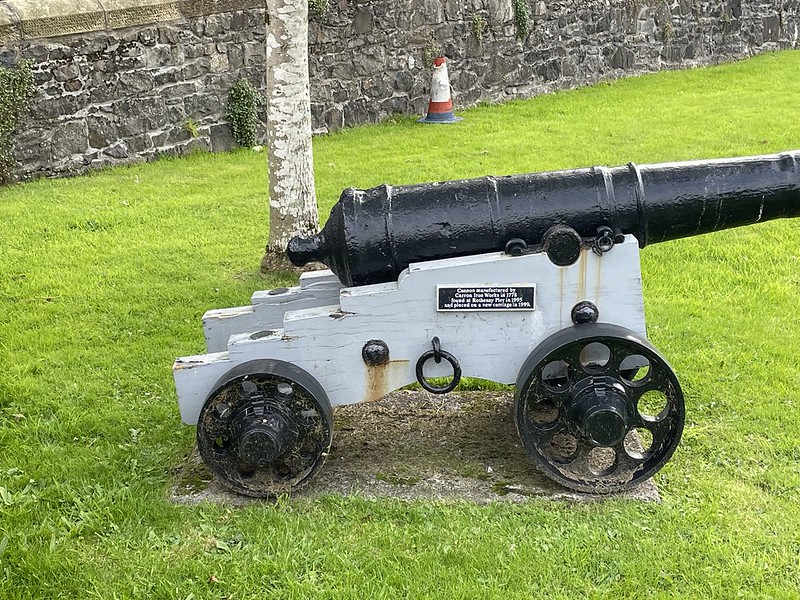


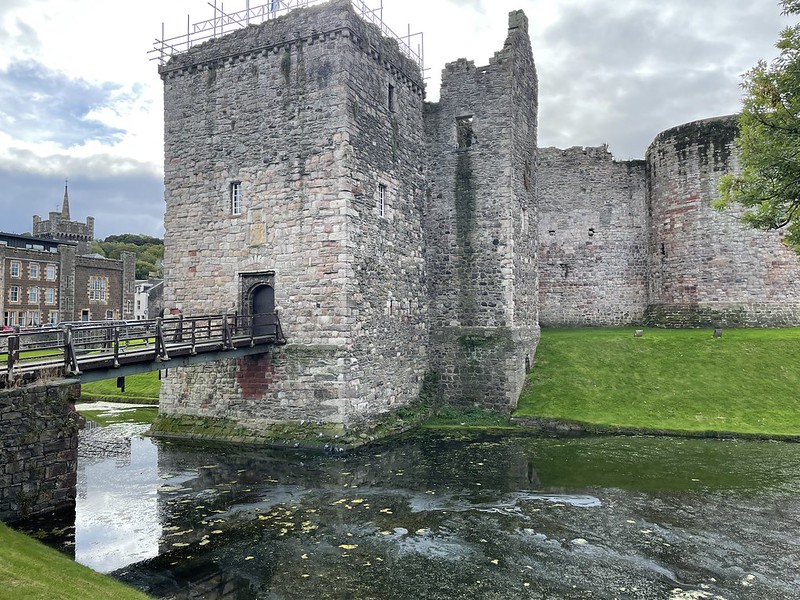

Round the Bend
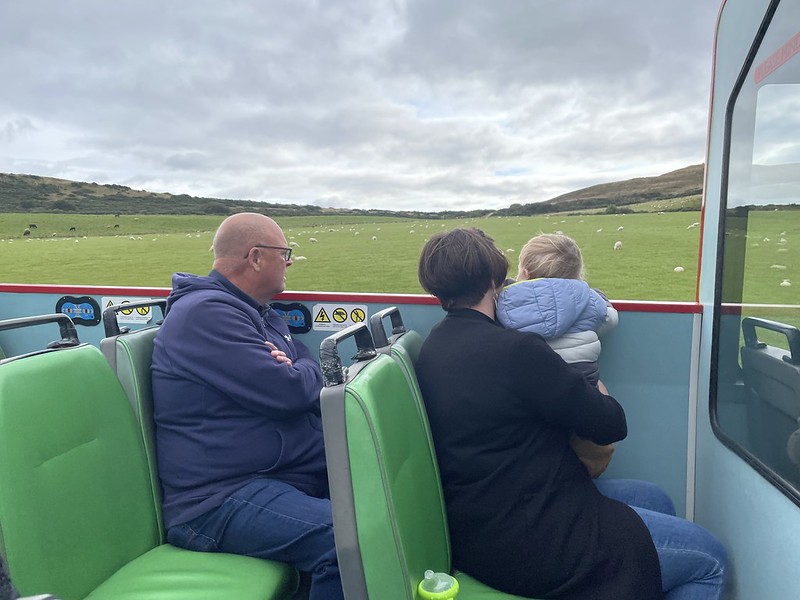
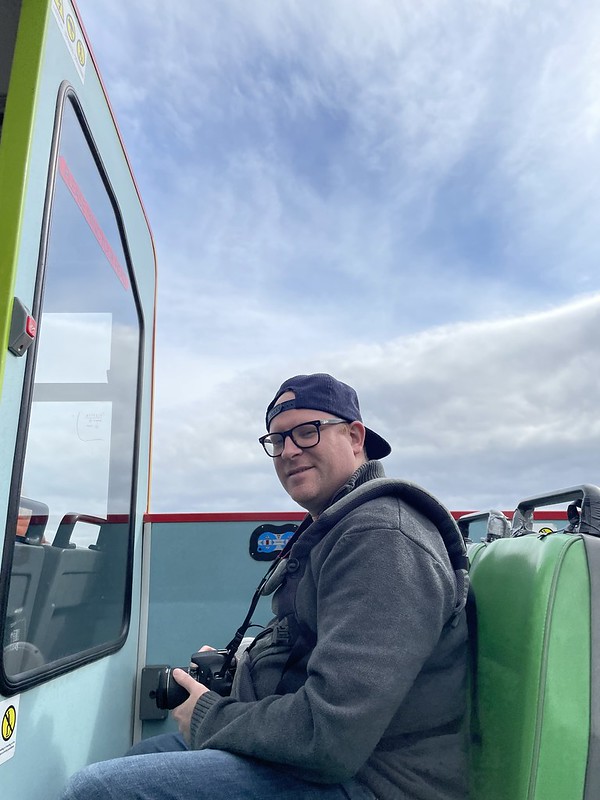
After walking around and checking out the castle and some shops we decided to jump on the Isle of Bute Open Top Bus. This would allow us to venture out of the town and explore a good chunk of the Island visiting Port Bannatyne, Scalpsie Bay and Mount Stuart. Cillian loved looking out, hanging over the edge of the bus at times, to spot any cows, sheep, goats and horses along the way.

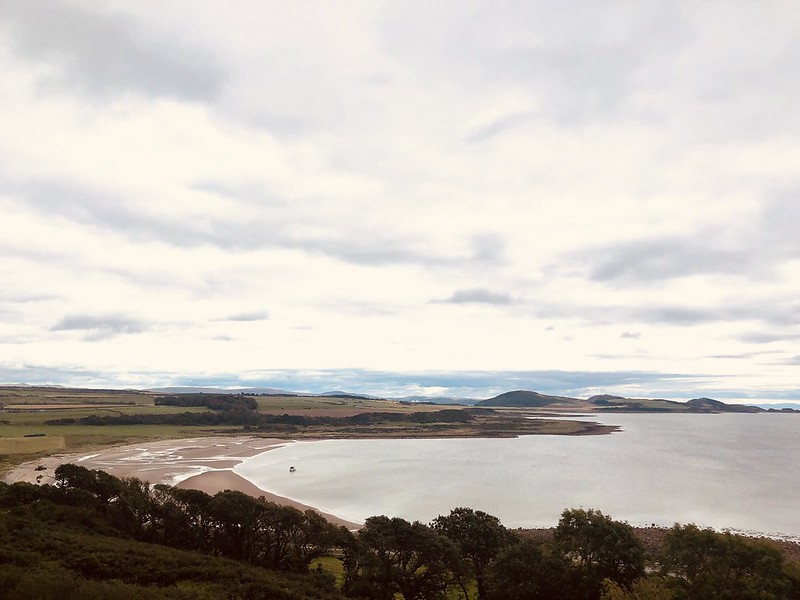
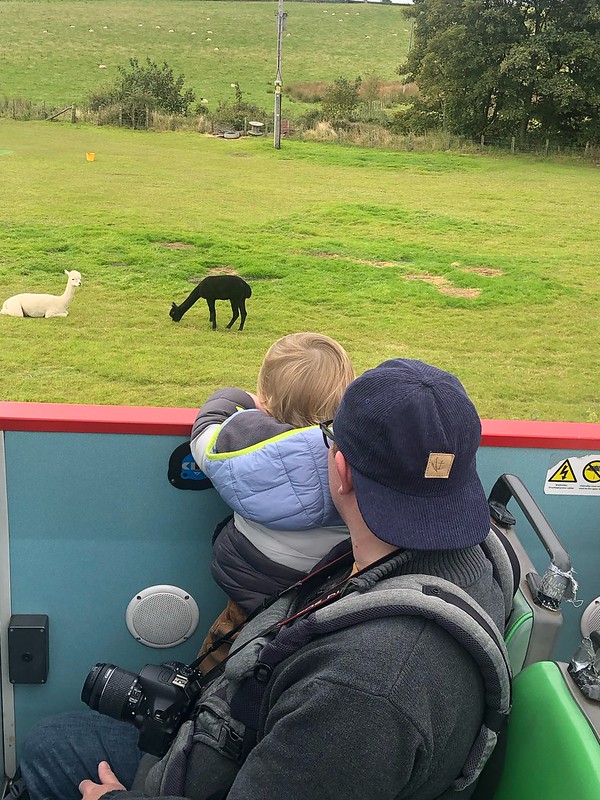

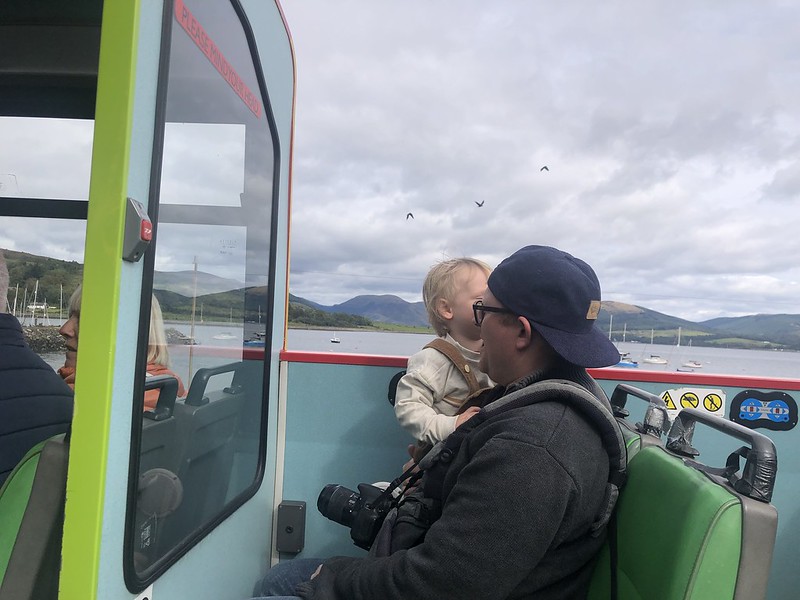


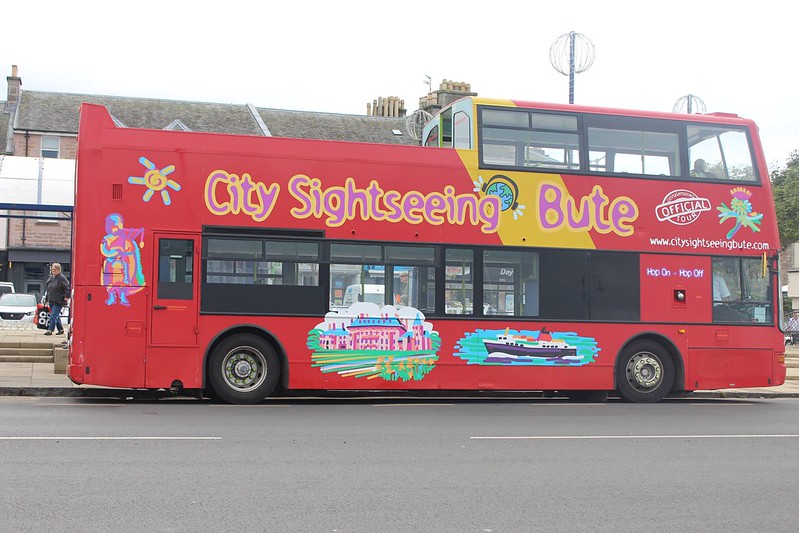
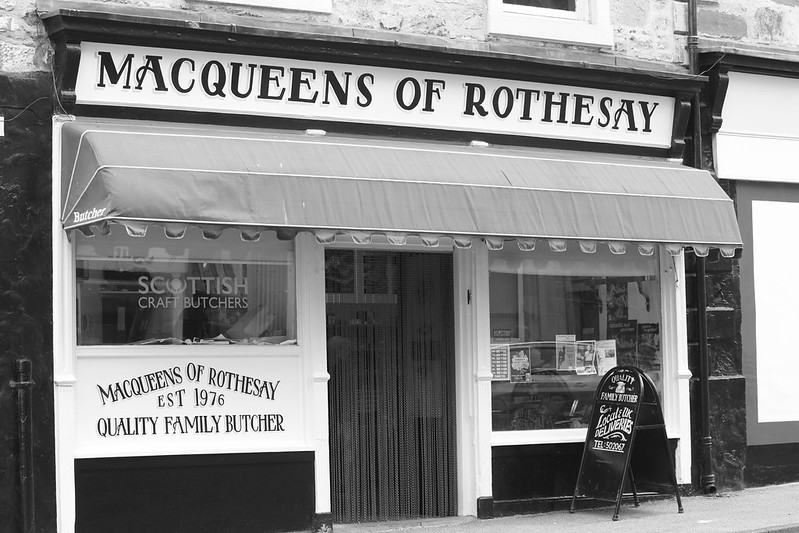
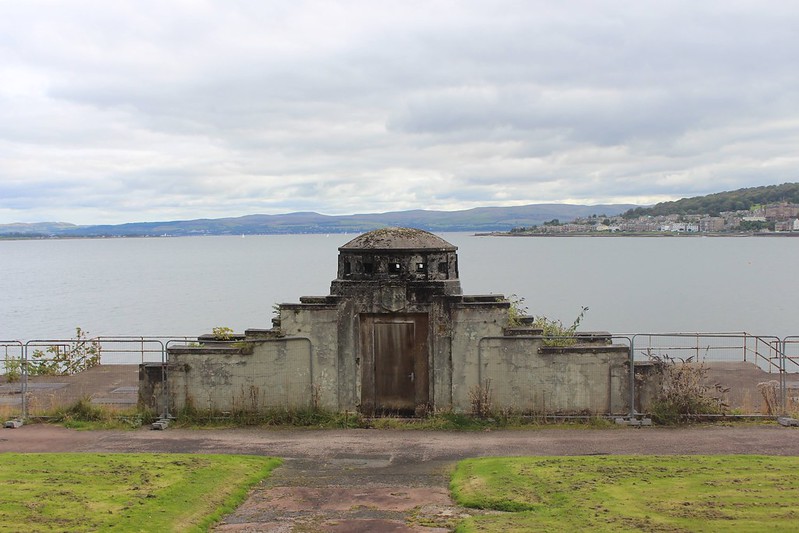
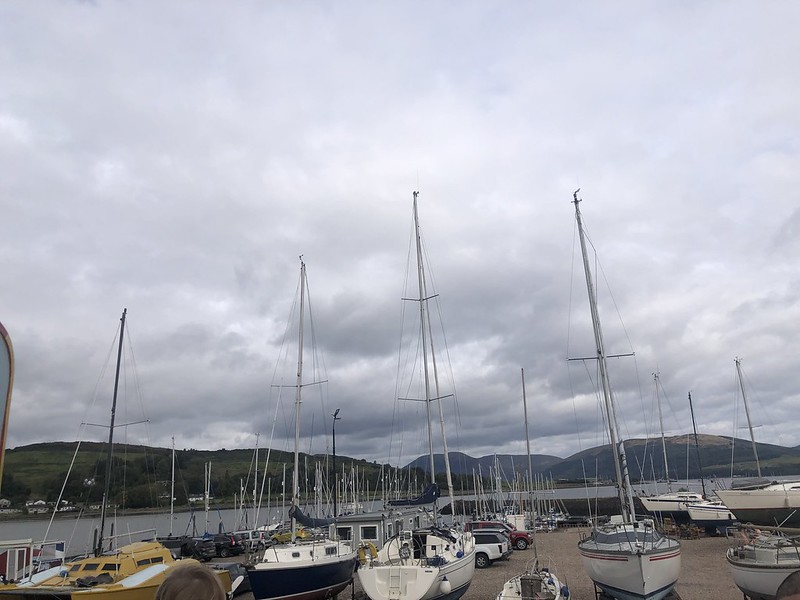
We started at Port Bannatyne – a harbour and yacht marina just to the north of Rothesay and the only other ferry port on the island. There used to be a luxury hotel before being demolished in the 1970s called the Kyles Hydro Hotel. The main claim to fame is that this was requisitioned by the Admiralty to serve as the headquarters for midget submarine operations during World War II – designation HMS Varbel. A Tram used to link the village to Rothesay and Ettrick Bay beyond , and on the road there we passed the shell remains of the old 1930s Art Deco outdoor baths. In their heyday thousands of people would use them each day for swimming and leisure activities.
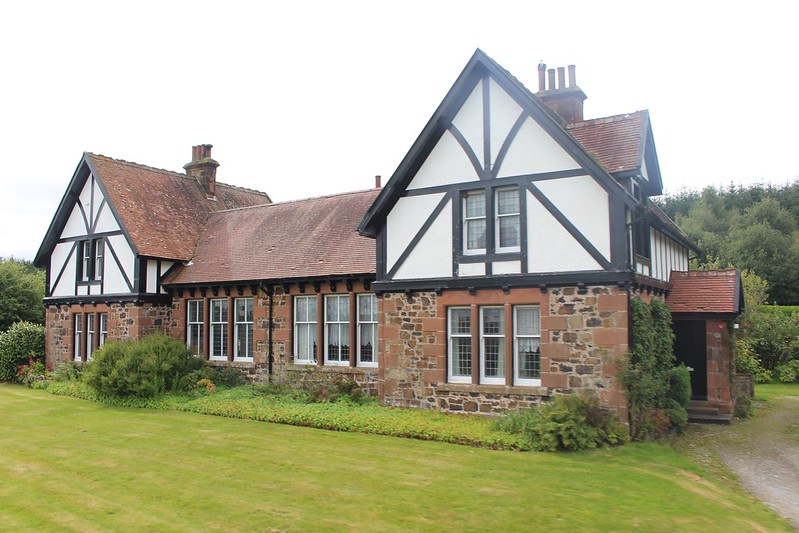
Mount Stuart is an impressive neo-Gothic mansion situated to the south-east of the main town.. Built in 1877 it was the first home in Scotland to be lit by electricity and reportedly the first home with an indoor heated swimming pool. It was built as the seat of the Stuarts, the Marquesses of Bute and descendants of rebel King Robert the Bruce. It has two quite unique cottages on the entrances – East Lodge (old English style half-timbered house) and Scoulag Cottage (a white cottage with a trio of heraldic shields). There was also a heritage stone well called the Beehive Well due to its distinctive shape.



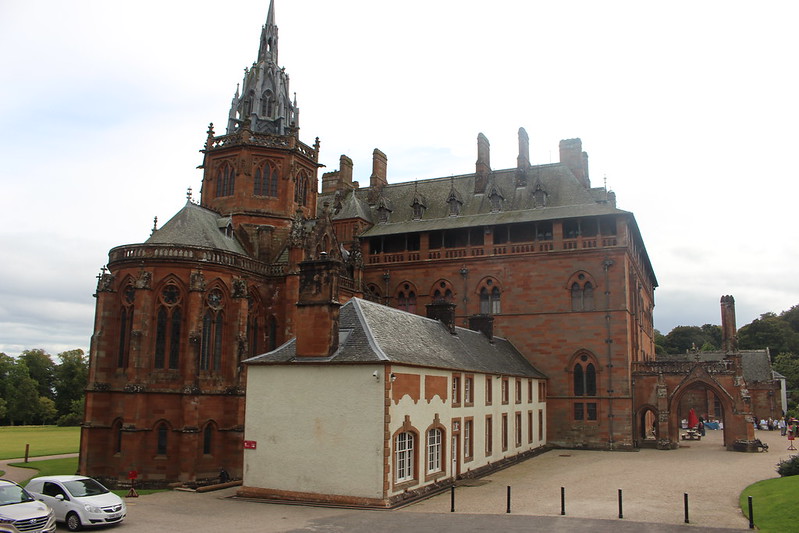
More recently, in 2016, a genuine Shakespeare First Folio was discovered in the library. It is believed to have belonged to Isaac Reed. The kids were a bit restless so we decided to not get off the bus and instead just admired the building from the outside. It is open to the public and contains the Bute Collection – a private collection of art and artefacts as well as 25,000 books. Next time.
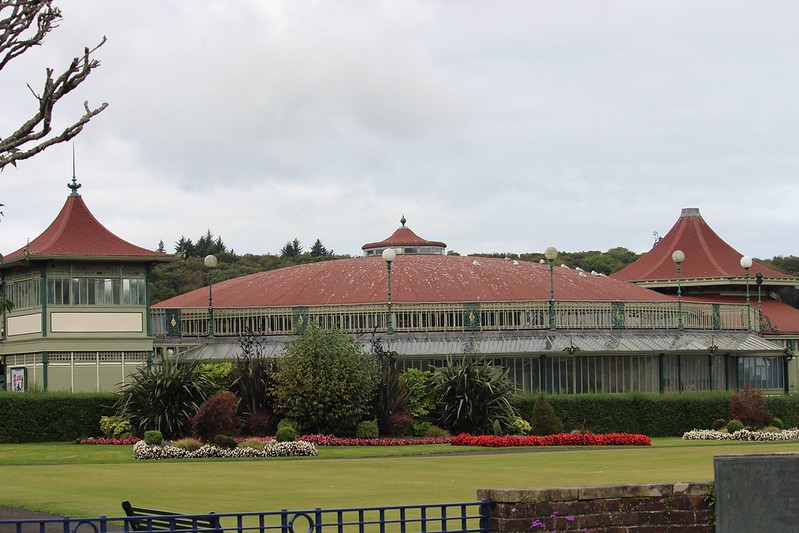
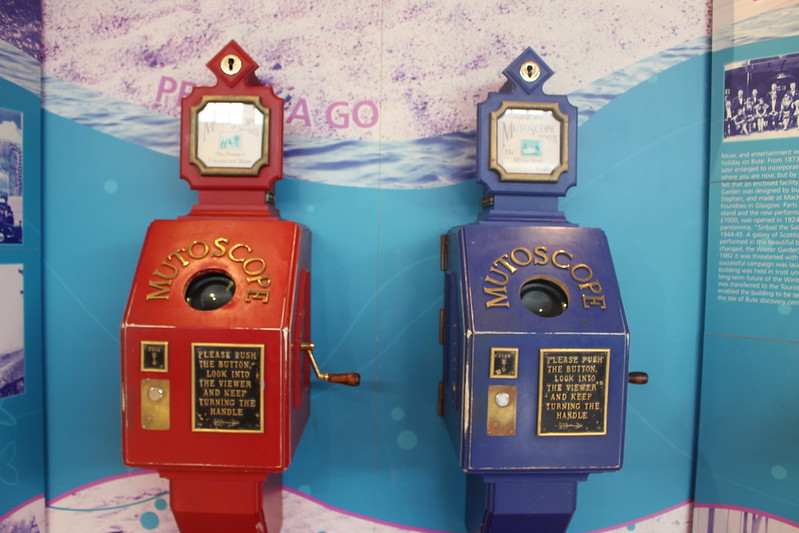
We got back to the Bute Discovery Centre and had some lunch and a chance for the little ones to run around and burn some energy. It’s a mixture of tourist information, exhibition space and local cinema for the island community but started life as a bandstand before being converted into a theatre called the Winter Garden in 1924 that could host up to 1,200 people. It is set amongst the well manicured esplanade gardens next to the ferry terminal.


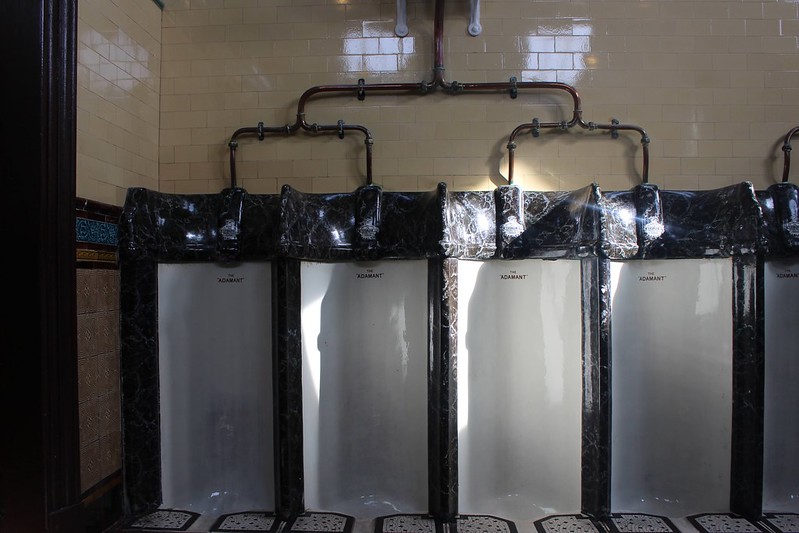
The last place we visited was the Victorian Toilets, or the West Pier Public Convenience. Opened in 1900 and refurbished in 1994 it is a fine example of turn of the 20th century architecture, well maintained and it still works.


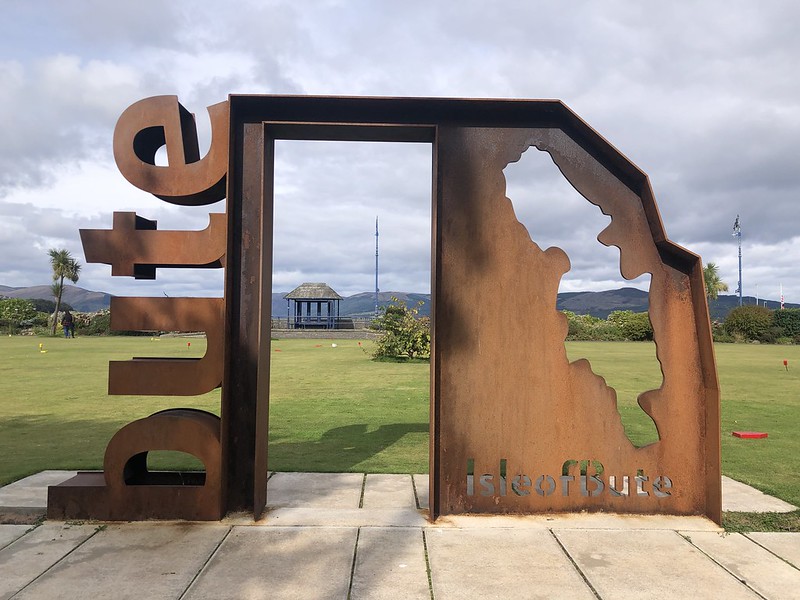
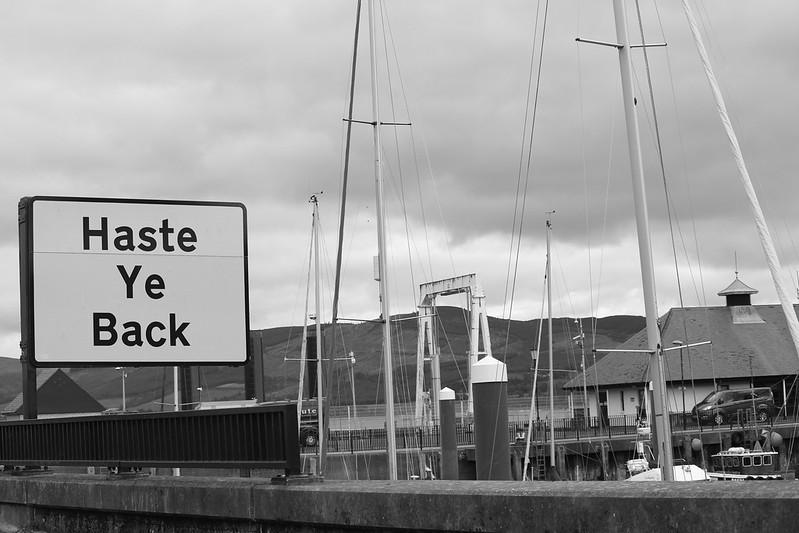
And with that it was time to head, past the greatest tourism slogan one can find in these parts – “Haste Ye Back”
 JKRoaming - Travel Blog
💚
LikeLiked by 1 person
I think the journey was wonderful 😊 well shared with beautiful photos 😊
LikeLiked by 1 person
Thanks Priti.
LikeLiked by 1 person
https://notionpress.com/write_contest/details/1559/ashalata. Please support me with 50 points through the link. It’s a short story competition. Thank you 😊🙏
LikeLike
It is over 40 years since I visited Rothsay when I lived in Glasgow. I had no idea of the history, so thank you!
LikeLiked by 1 person
Thanks for stopping by. Rothesay is fantastic.
LikeLiked by 1 person
I didn’t read this before our trip to Bute in April! We really enjoyed it, although we didn’t do the bus tour which looks like a fantastic way to see the island. We only went to Rothesay and Mount Stuart.
Interesting that both Rothesay and Port Bannatyne had hydro hotels and both closed down, although the Glenburn is back open without the facilities. I loved how well preserved much of the heritage was in Rothesay, but equally you could see the shadows of a former self there as well.
LikeLiked by 3 people
Thanks for stopping by and glad you enjoyed your trip. It’s a really great wee spot to visit
LikeLike