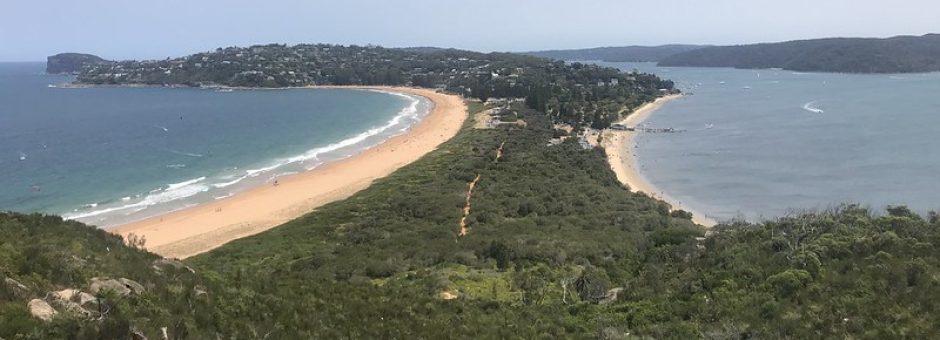
Our trip to Europe involved flying partly with Oman Air. Normally we would transit via the UAE or Qatar so we took this opportunity to add in a small stopover in Muscat as part of this trip.
A new country for both of us bringing our totals up to 33 for John and 38 for Karen.
Cryptus Portus
As early ads the 1st Century, Muscat was well known as a port. Greek geographer Ptolemy referred to it as the Hidden Port (Cryptus portus) while Pliny the Elder who called it Amithoscuta. One can see why with it’s geographical location on the south side of the Gulf of Oman, guarding the approach to the Persian Gulf and opposite the Persian Empire on the north bank. It converted to Islam in the 7th century following an earlier invasion by the Sassanids. The next couple of hundred of years saw local tribes jostle for position and Muscat’s maritime power grow thanks to alliances with the Indian sub-continent.
The Europeans arrived in 1507, with Portuguese admiral Alphonse de Albuquerque conquering the port, on his way to conquests in Goa and Cochin in India. They would rule the port for another 100 years despite strong attempts to remove them by both the Persians and Ottoman Empires.
In the 1800s rule returned to the local Omanis thanks to shrewd diplomacy with the US president Andrew Jackson. They even ruled over Zanzibar for a time. A bloodless coup d’etat in 1970 (with British assistance) brings us to today.
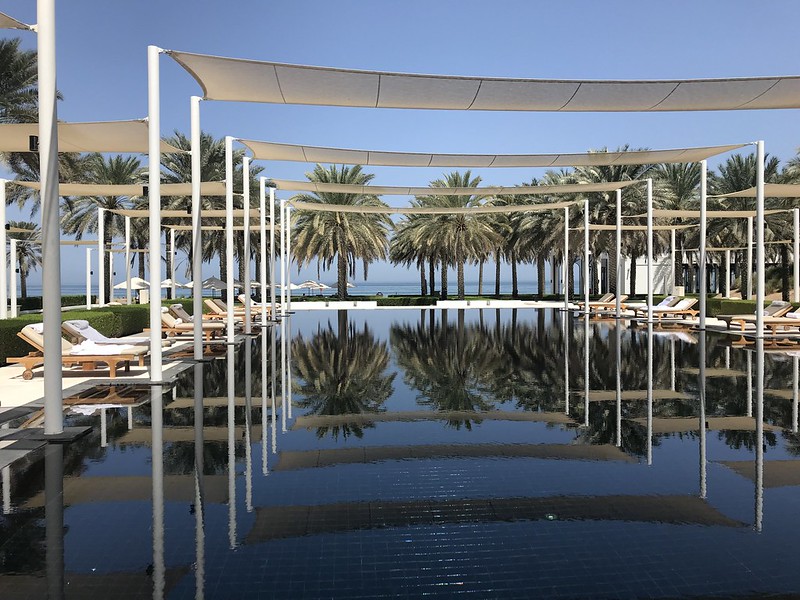
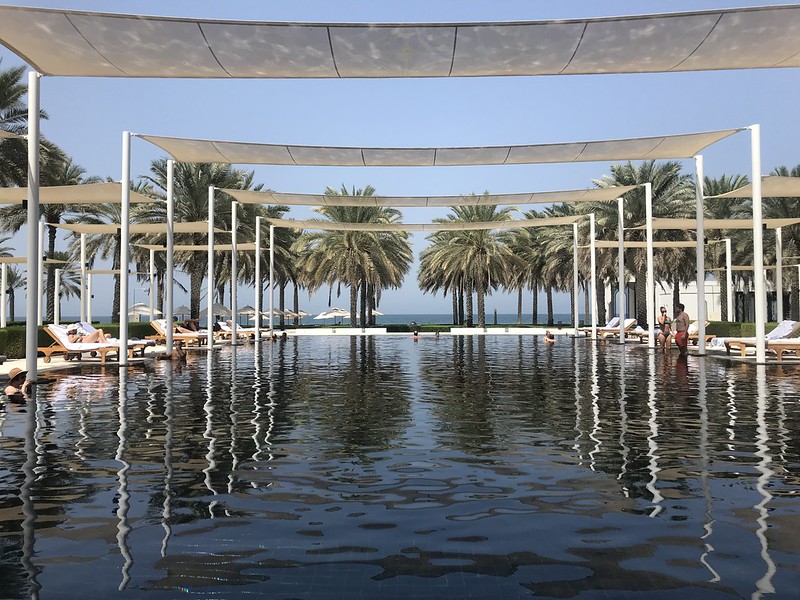
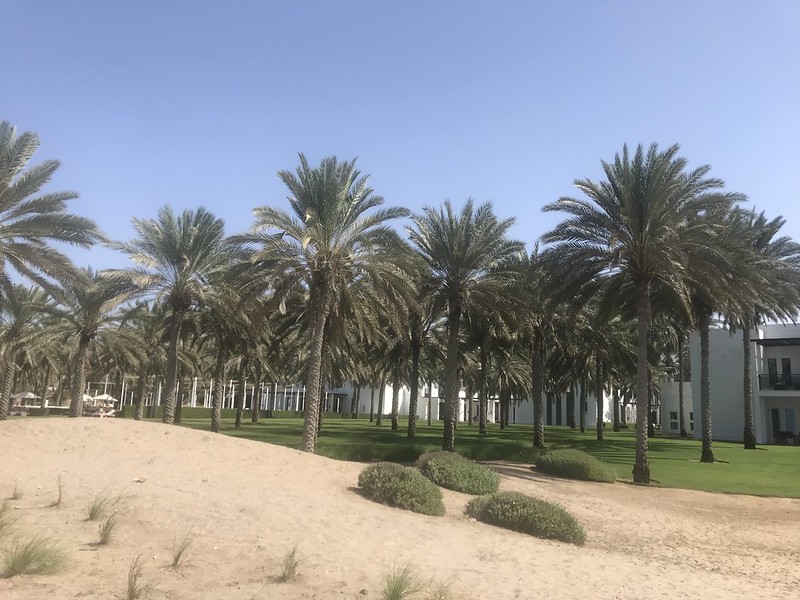
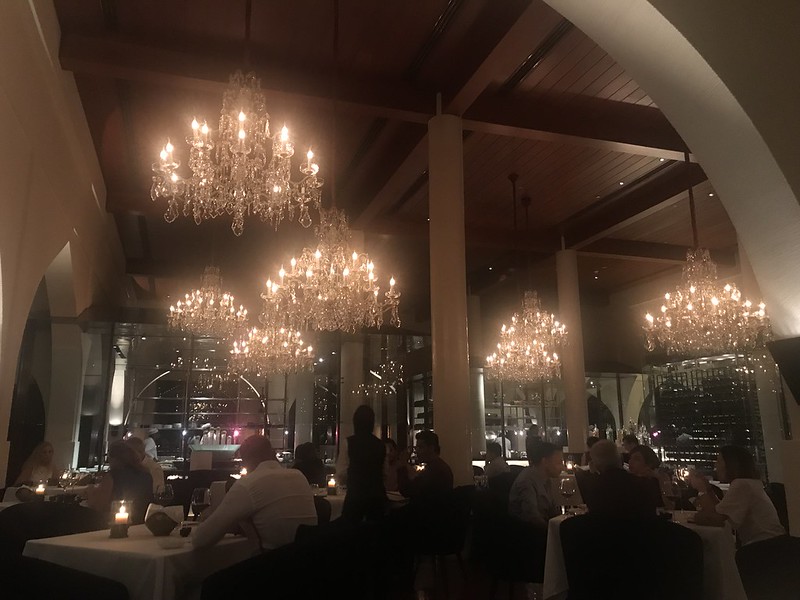
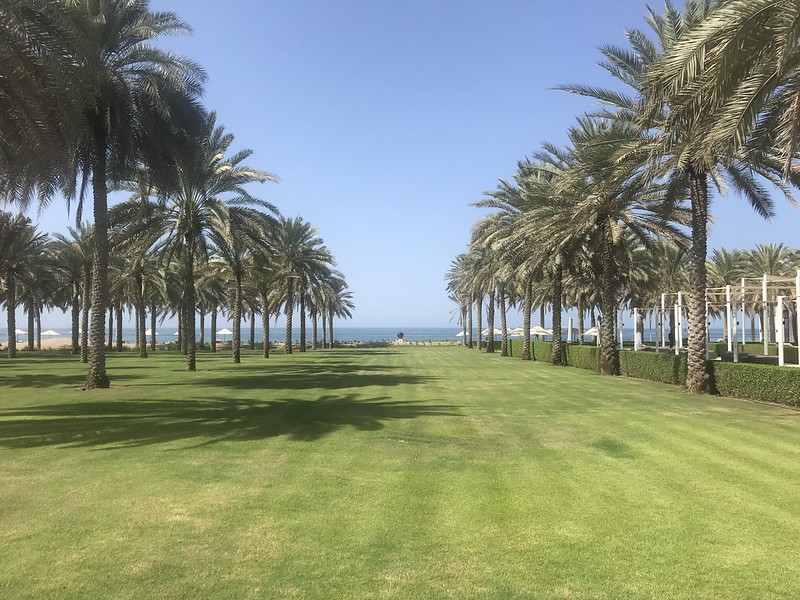
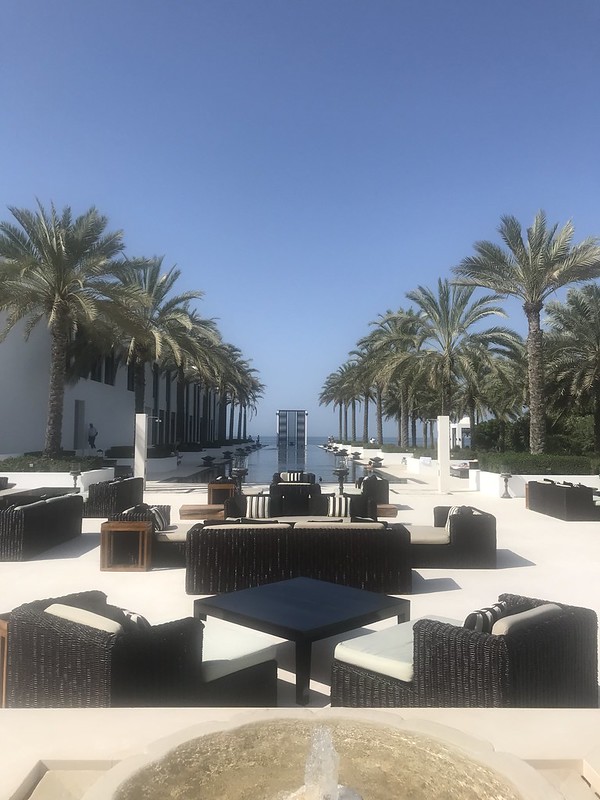
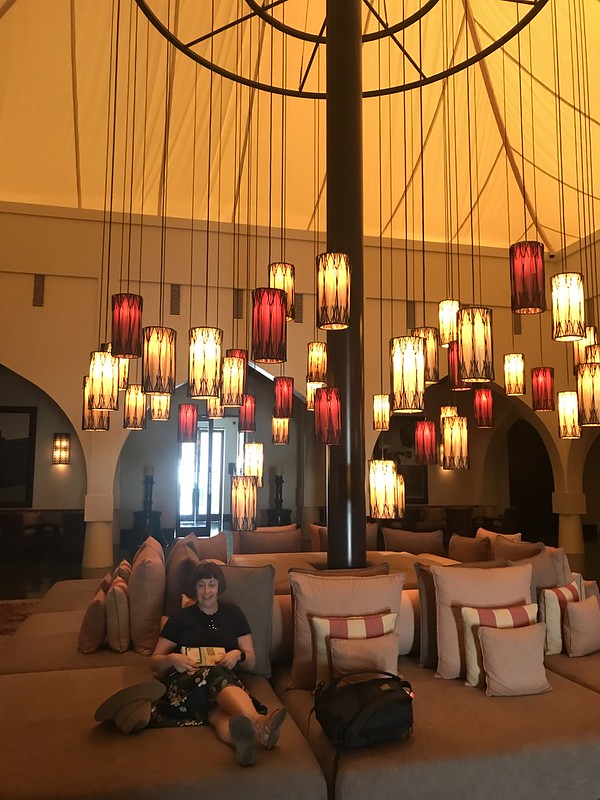
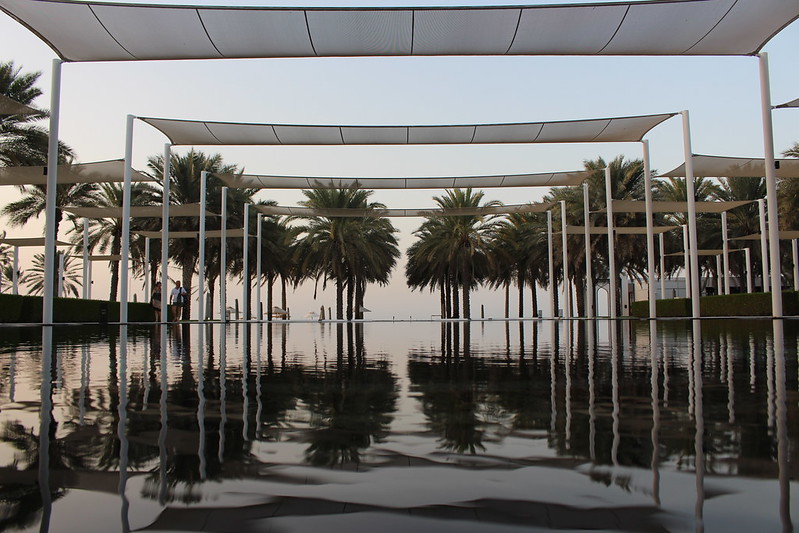
Our accommodation was the Chedi. A very nice hotel located next to the seafront and about half way between the old town and the airport. It had its own beach but we just used the pools as it was so hot we needed the shade. It is Oman’s first contemporary hotel, built in 2003 and blended elements of Omani and Arabian architecture with an Asian zen style.
Old Town Road
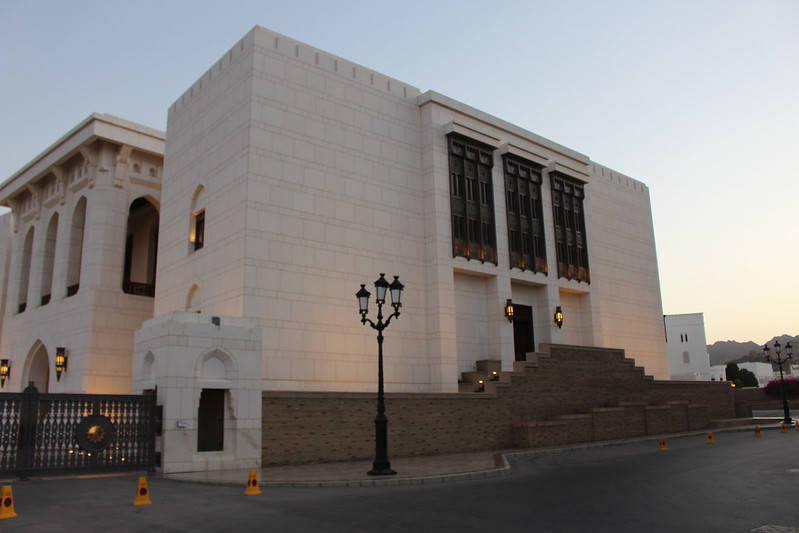
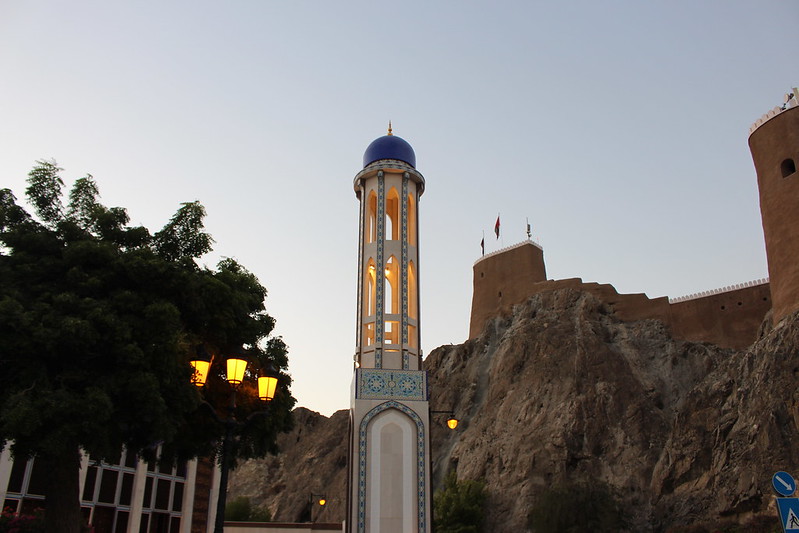
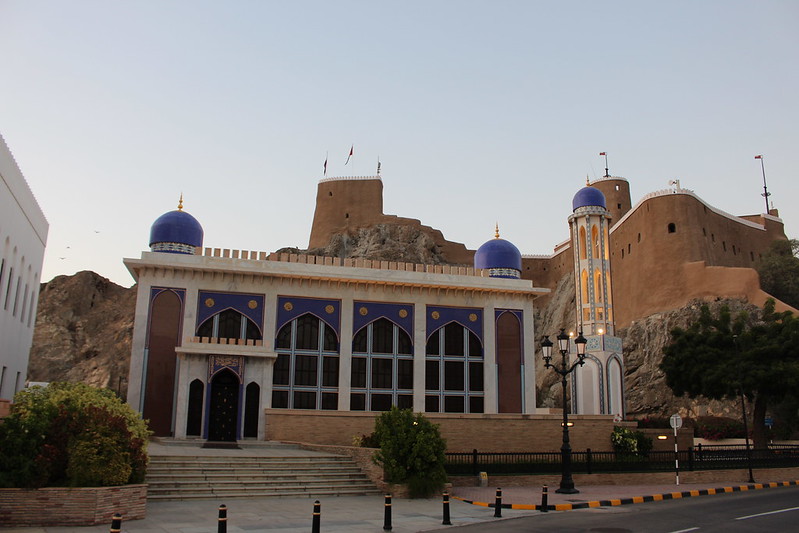
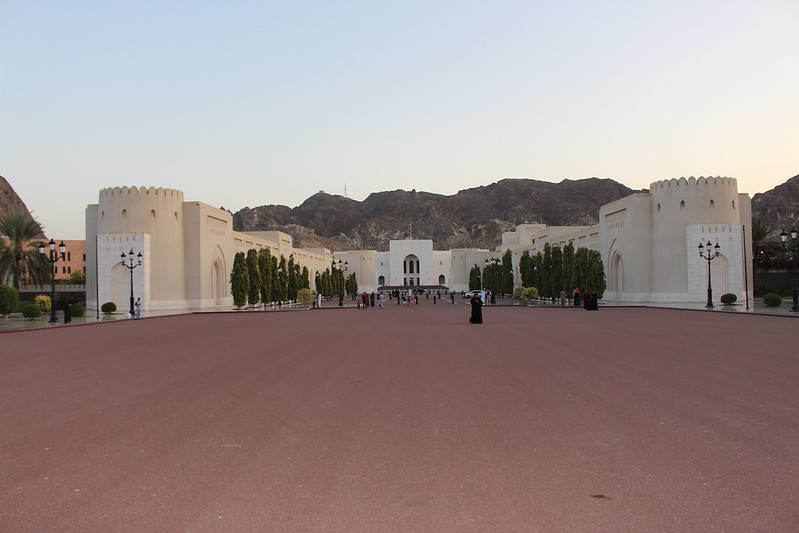
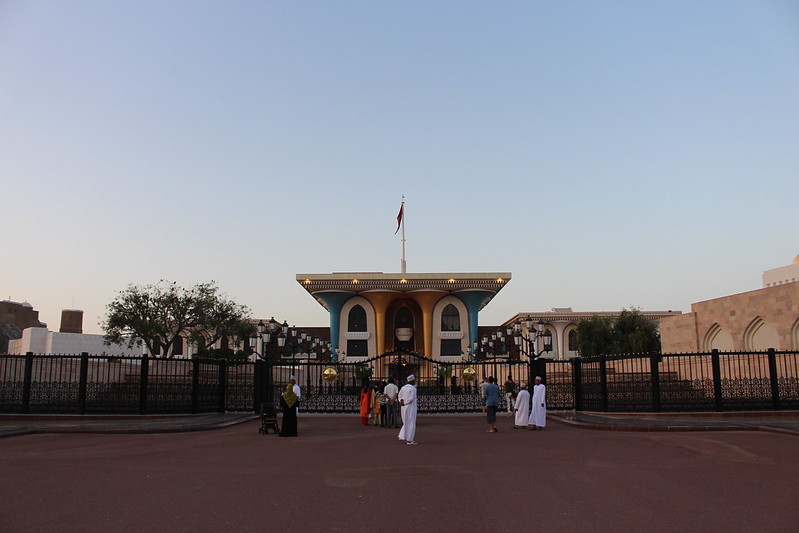
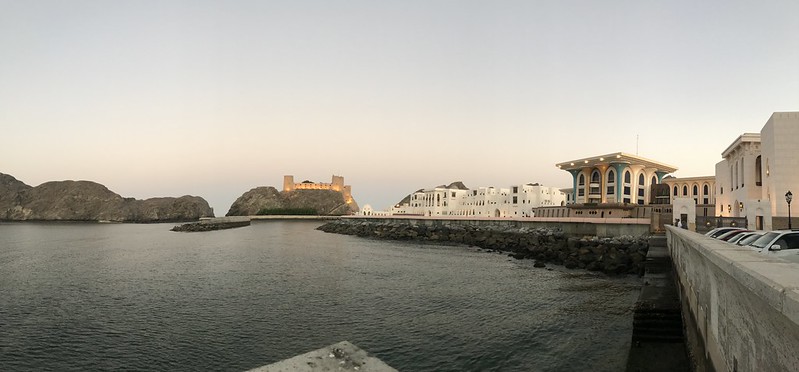
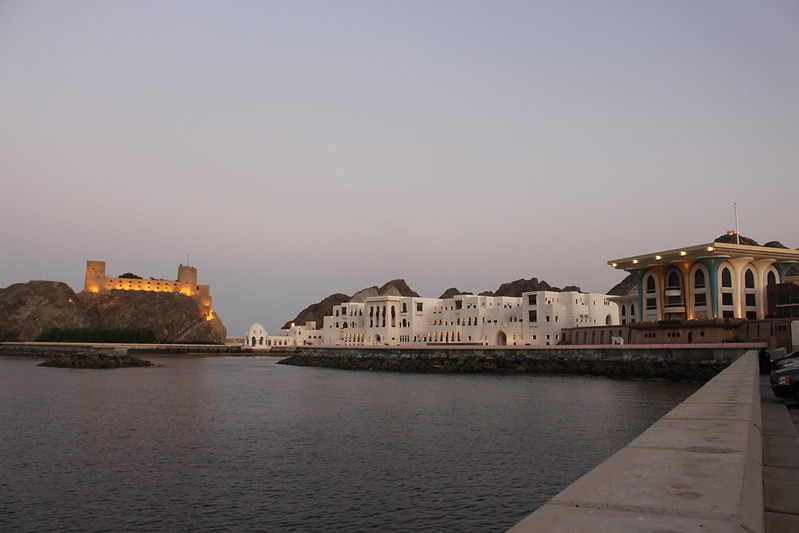
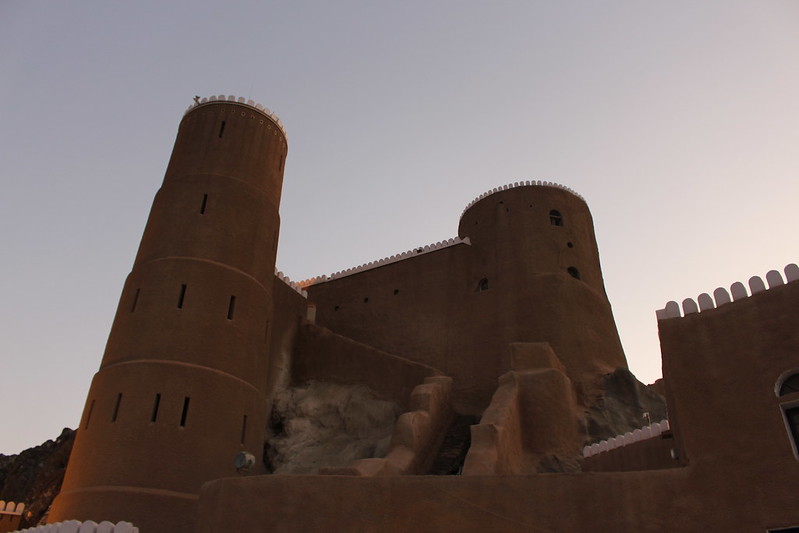
Our first location to take in was the Al Alam Palace, located in the Old Town. We had a driver who drove us there and pointed out the best spots. Everything is connected by road that runs along the shorefront called the Muttrah Corniche and the palace was located behind the walls and towers of the Portuguese settlement.
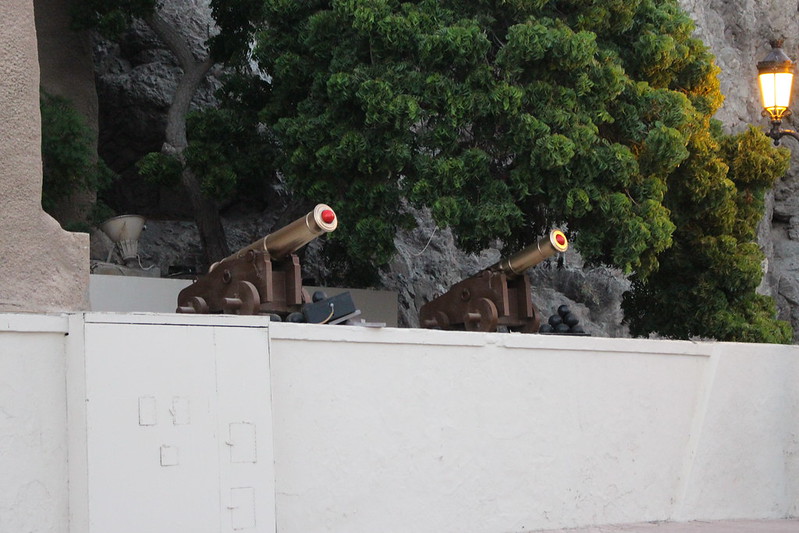
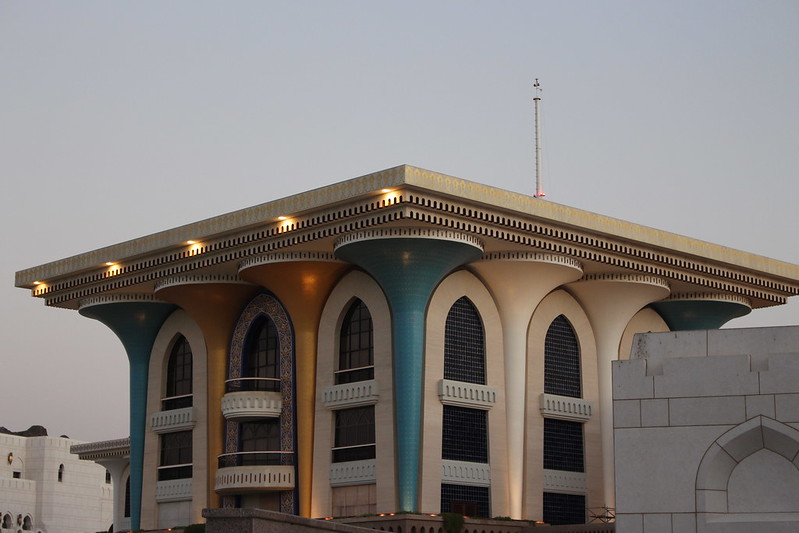
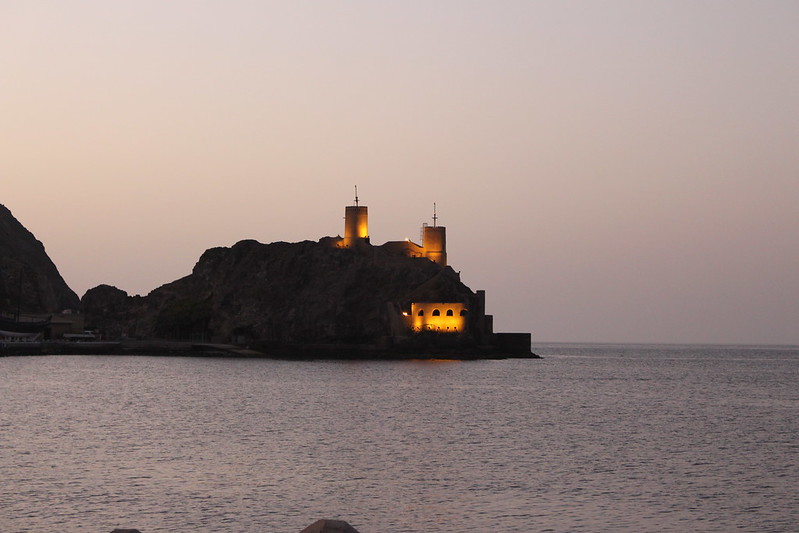
The Al Alam palace is a ceremonial palace and one of six residences of the sultan. Built over 200 years ago it has a facade of gold and blue with a wide brim along the top of it. It’s flanks are protected by a pair of Portuguese forts that guard the entrance to the cove.
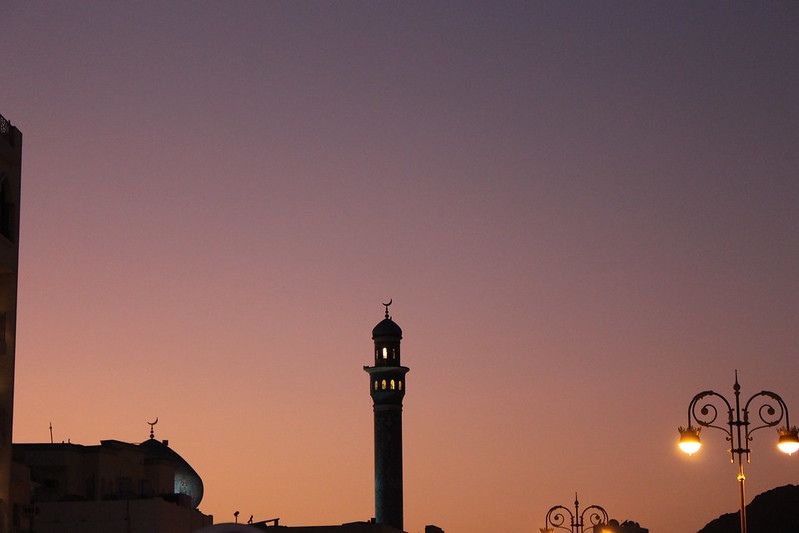
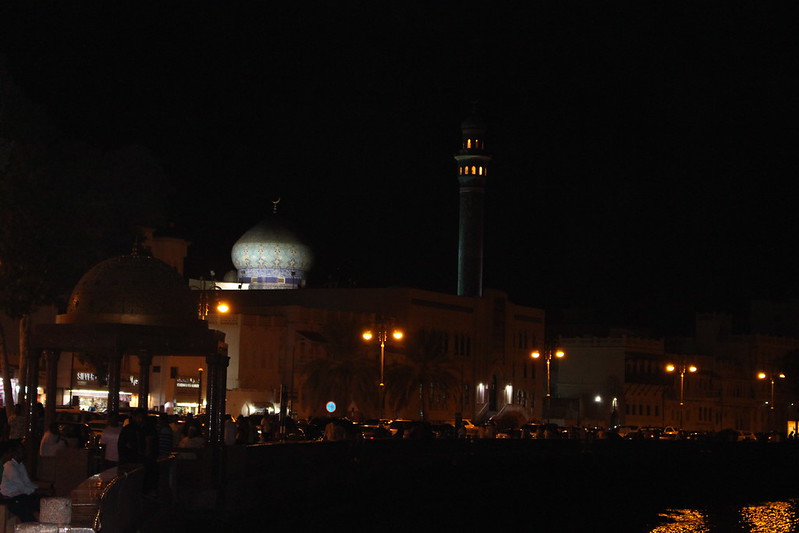
The surrounding streets held a number of government buildings and mosques which we were permitted to walk around and explore. As dusk settled we made our way back through the walls – to the shorefront and the central hive of commercial activity in the sultanate.
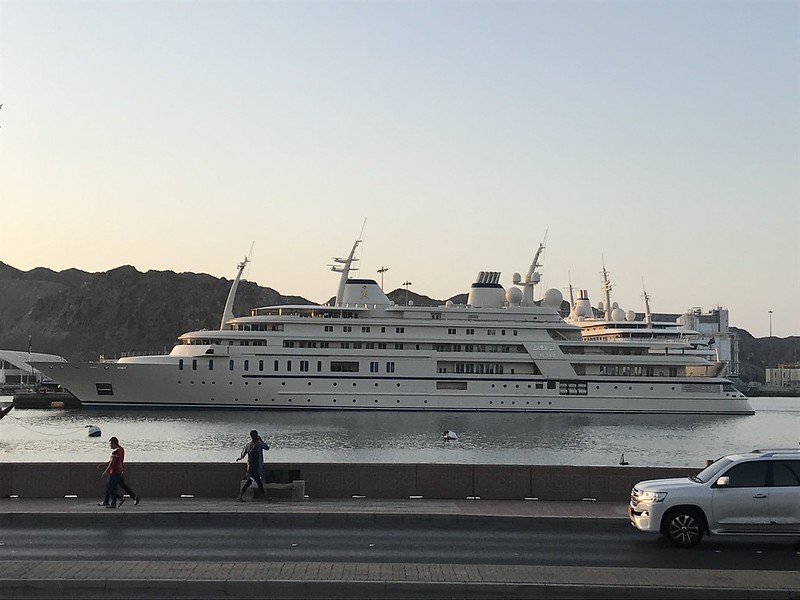
Across from the promenade was the cranes, piers and warehouses of the Sultan Qaboos Port. A pair of superyachts were at anchor here, both belonging to the Sultan.


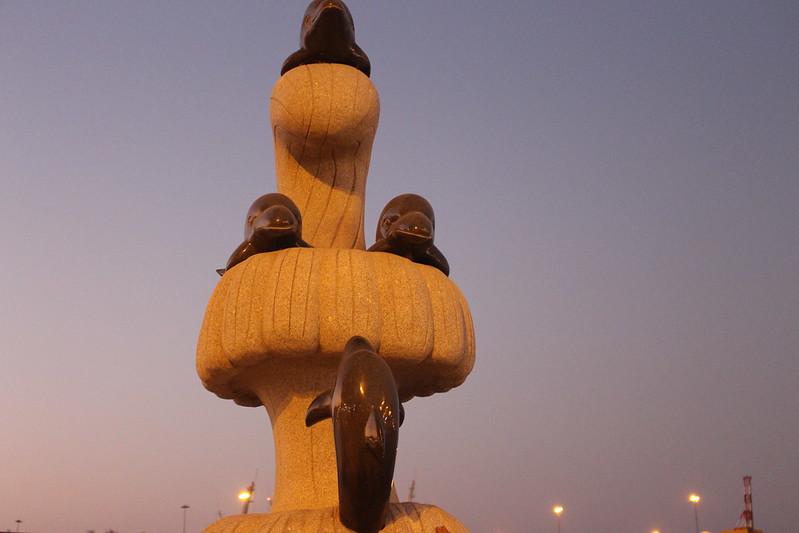
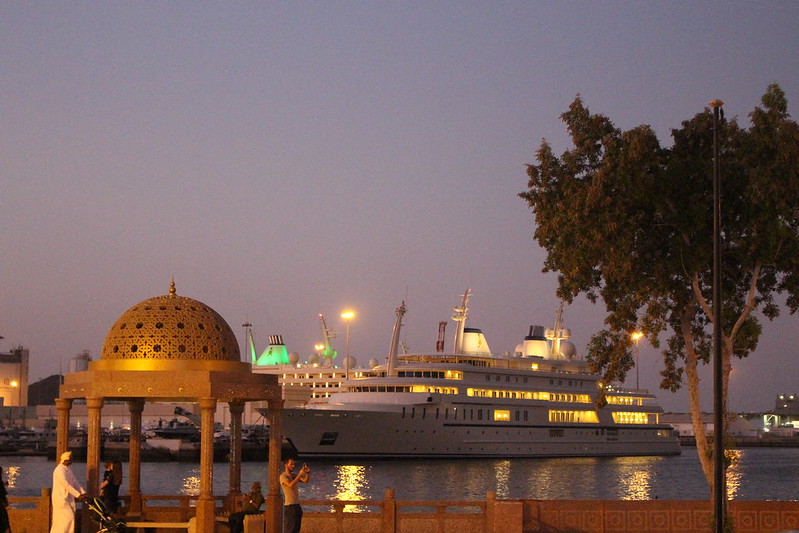
“Anything and everything a chap can unload”.
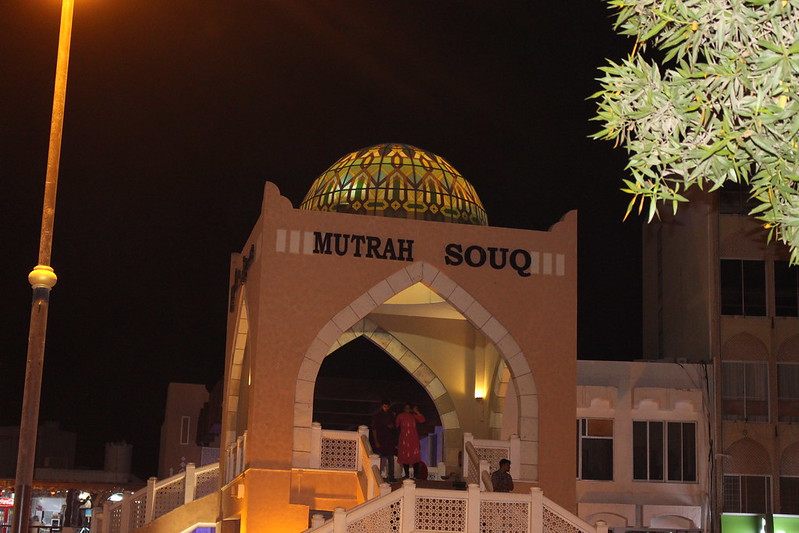
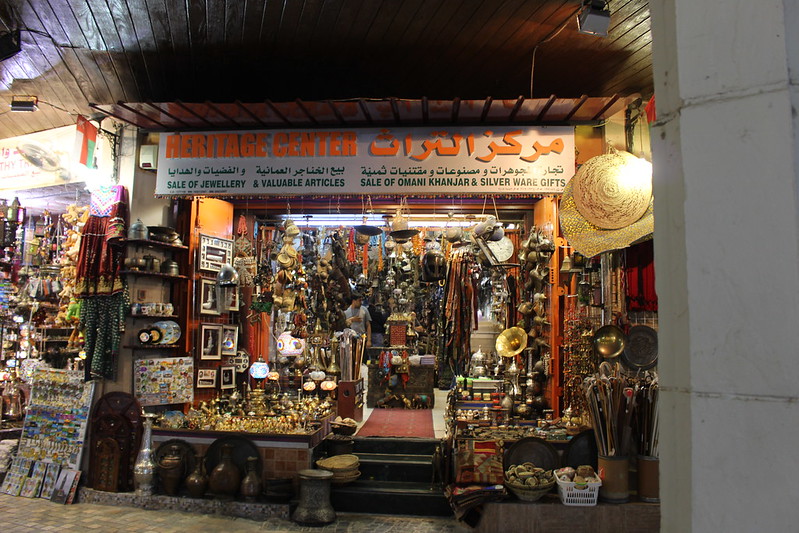
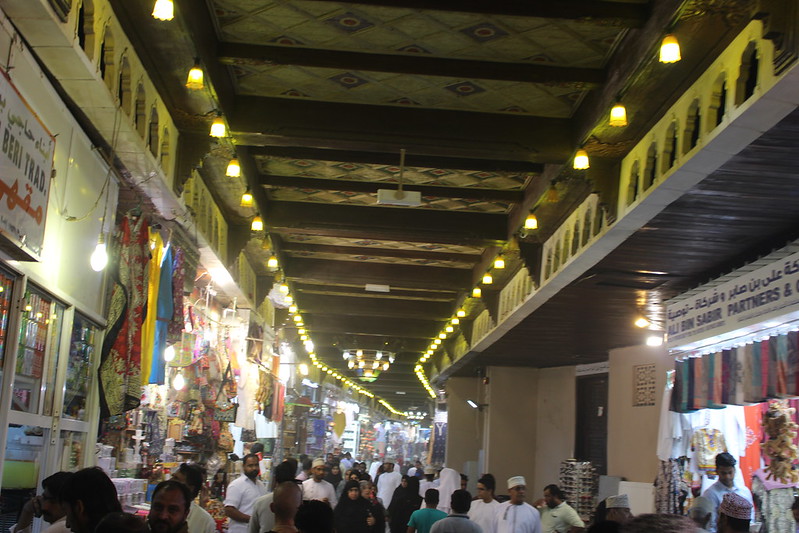
The main draw of the Muttrah Corniche is the Souq Muttrah – a huge bazaar with multiple alleyways, nooks and crannies.
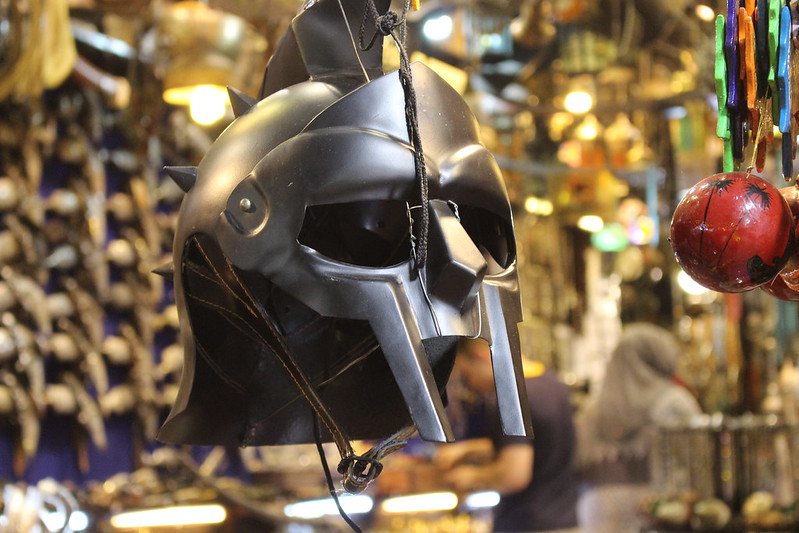
It’s original name is Al Dhalam “Darkness” and that’s an apt description of its cramped laneways and crowded stalls. Like Portobello Road in London it has everything you could possibly buy – including a replica helmet from the movie Gladiator.
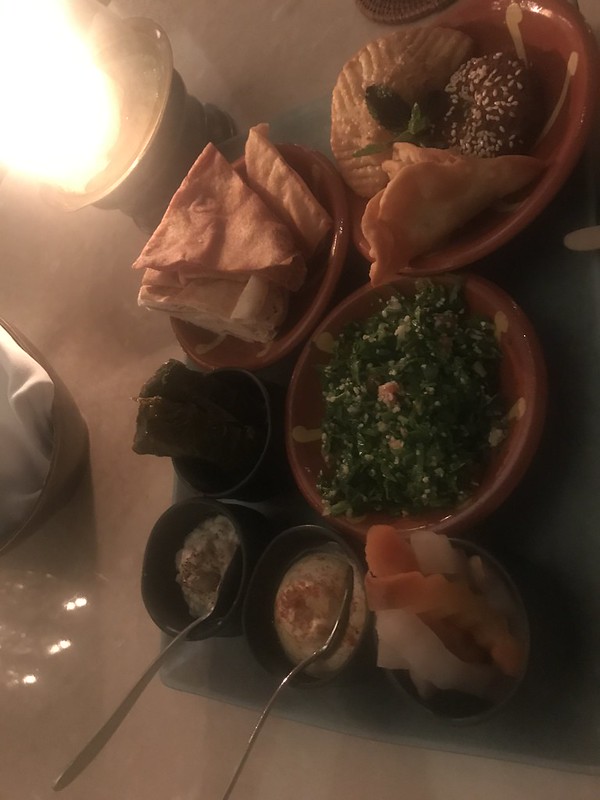
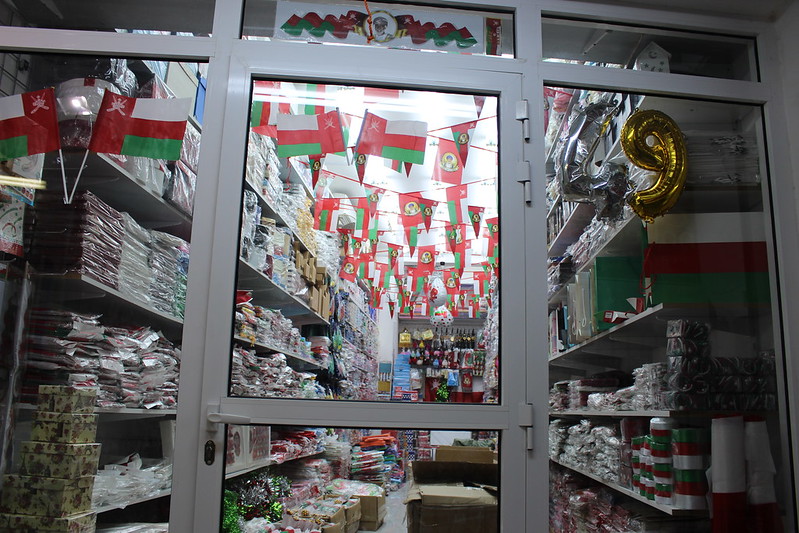
The front is lined with restaurants and cafes before the main entrance and the stalls beyond. We were able to pick up a number of souvenirs from our short visit before heading back to the Chedi for dinner.
Opera House Tour
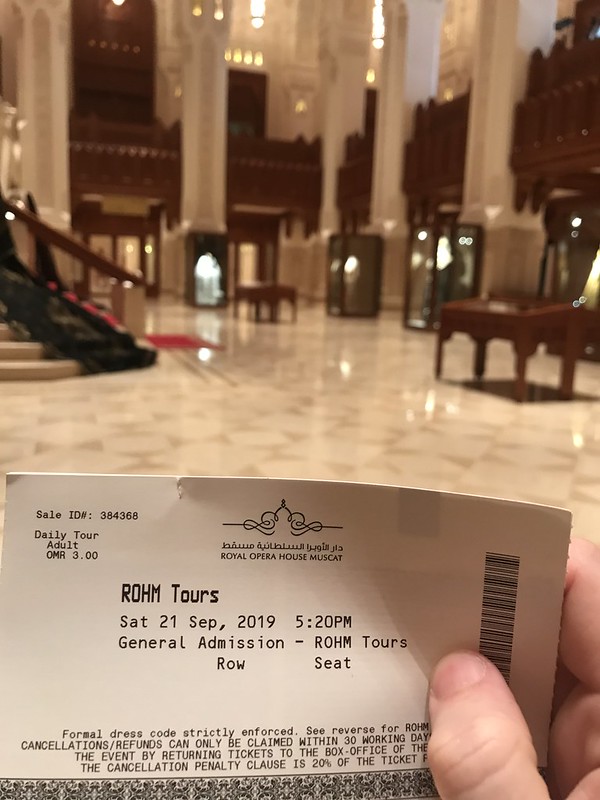
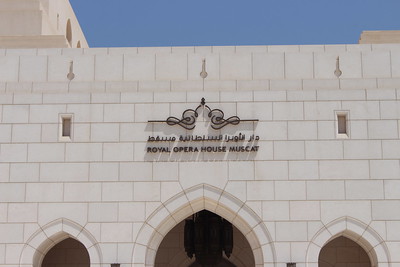
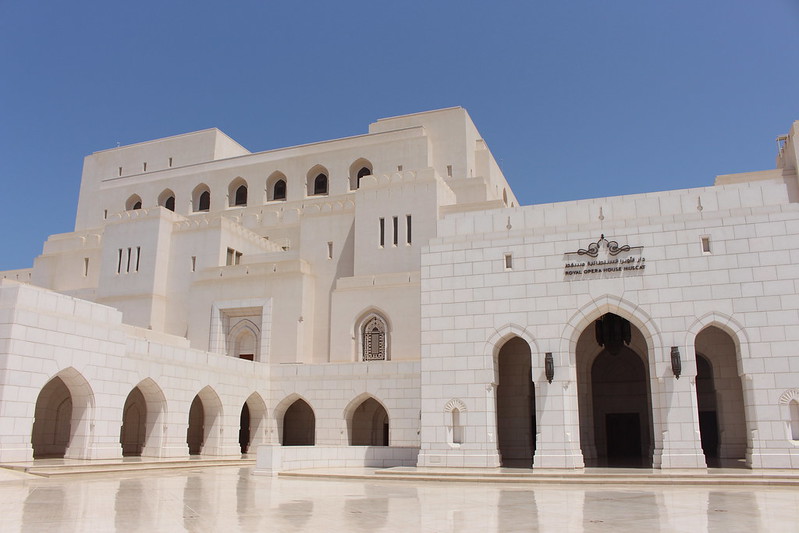
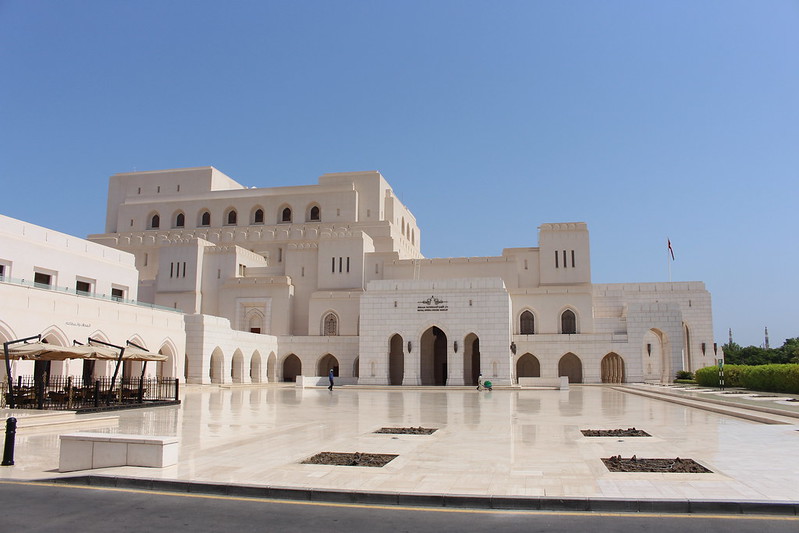
Our flight was not until late that evening so we spent the morning sightseeing before heading back to chill at the pool for the remaining time. Our first stop was the newly built Royal Opera House (ROHM).
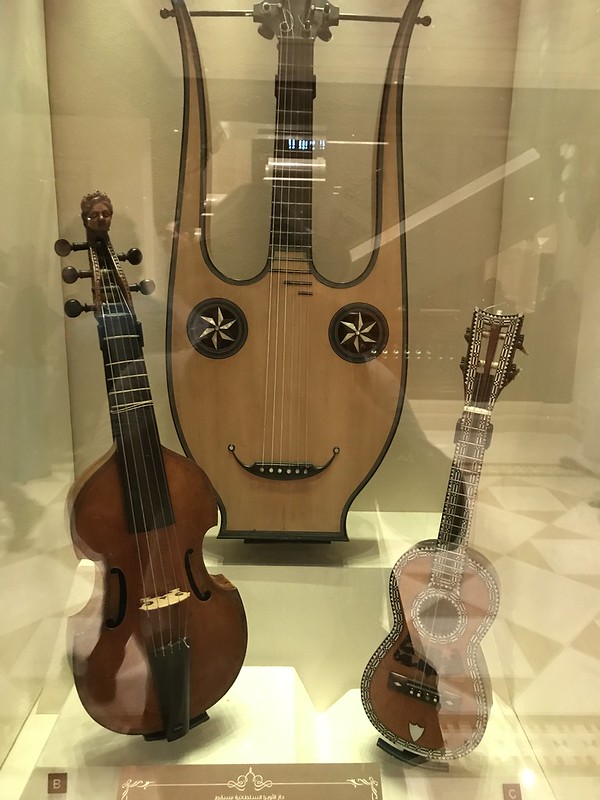
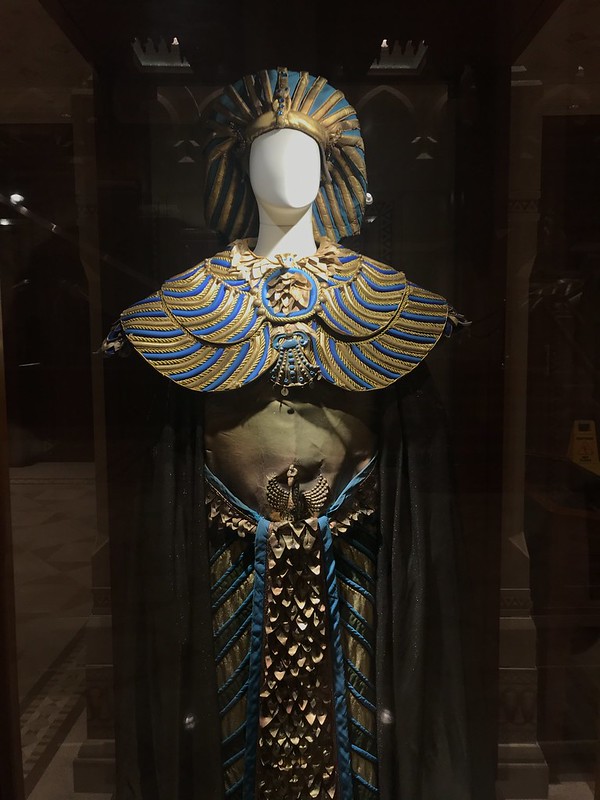
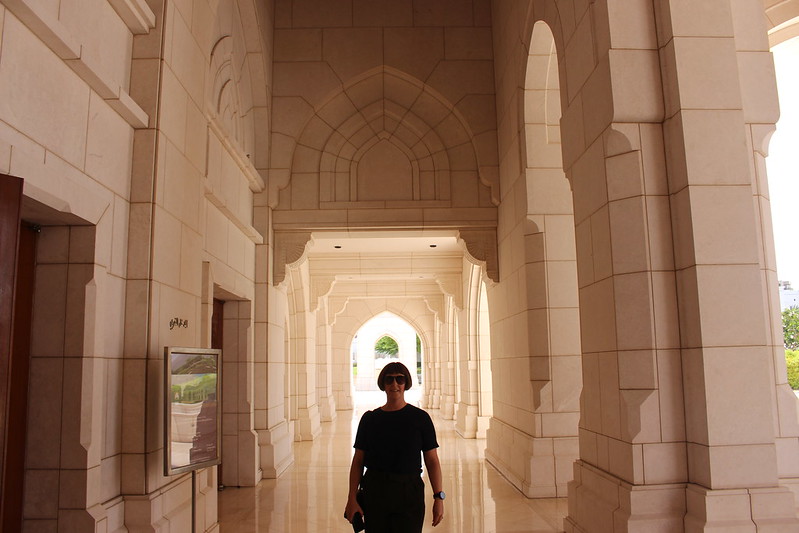
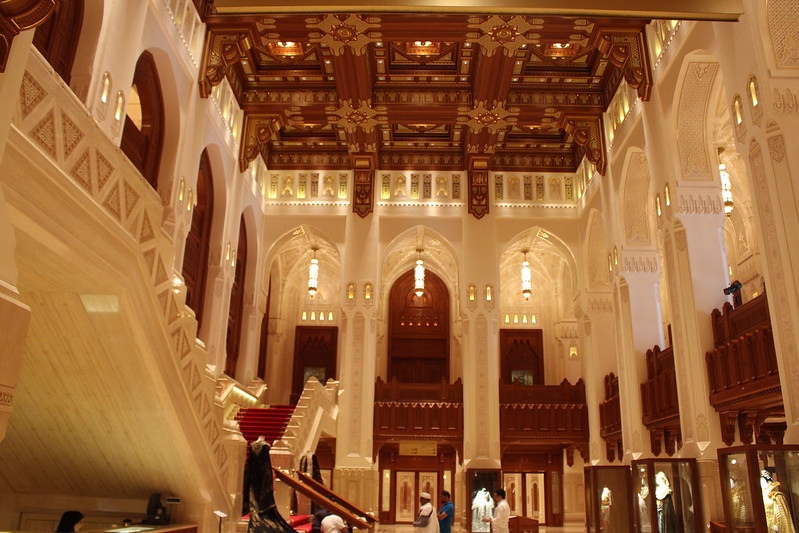
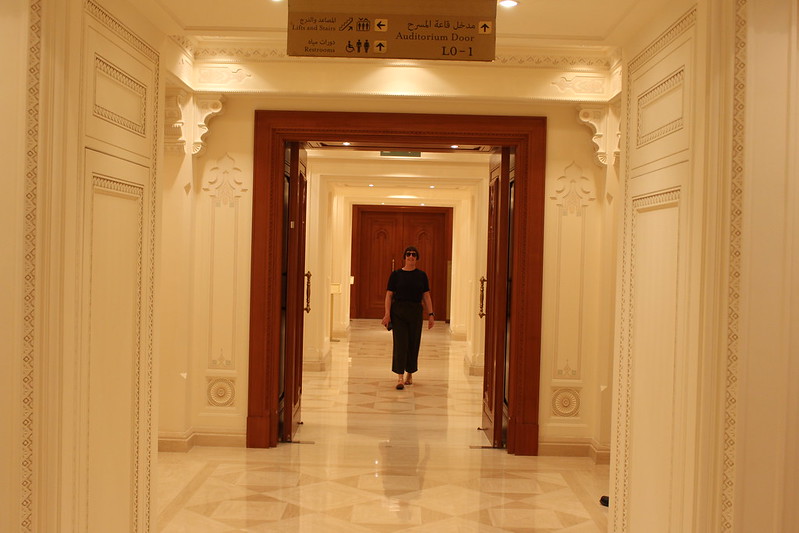
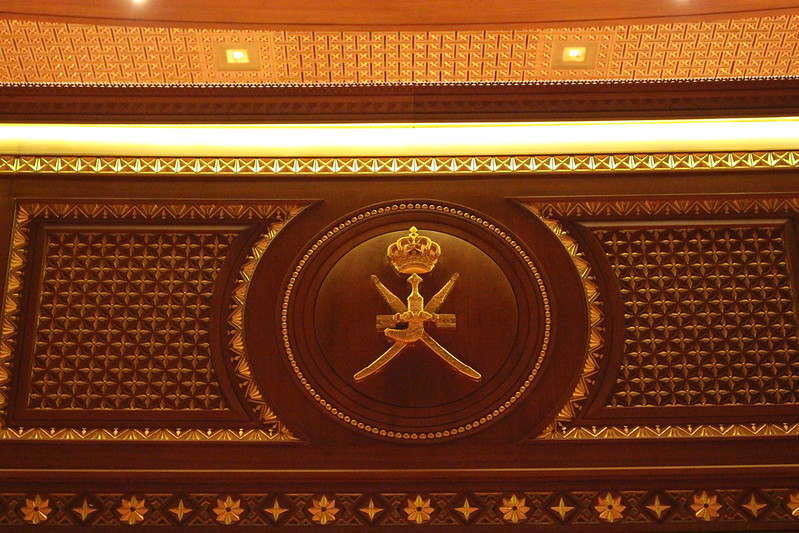
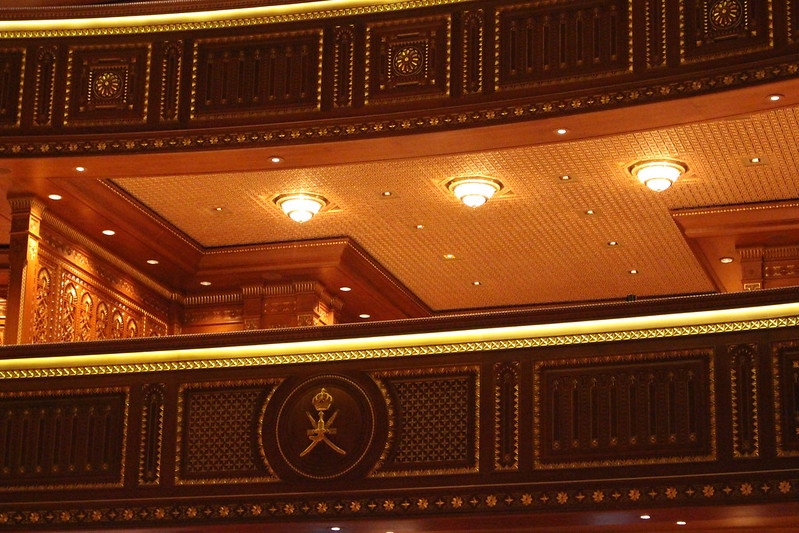
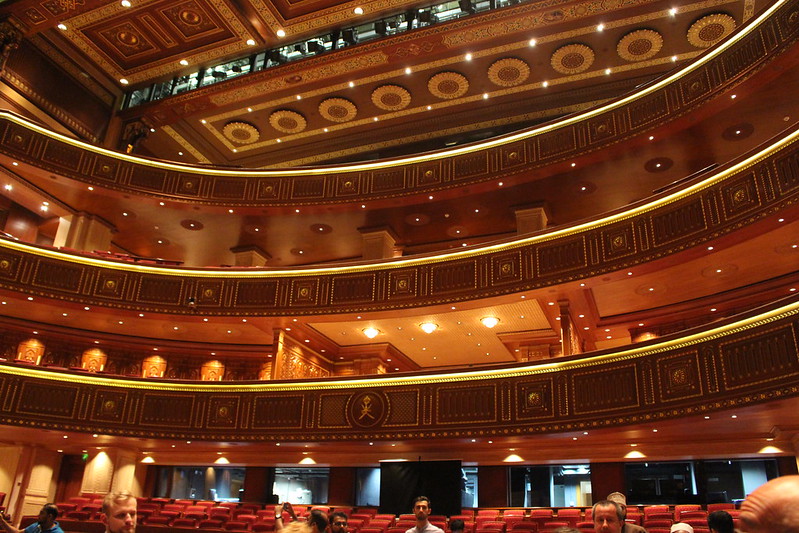
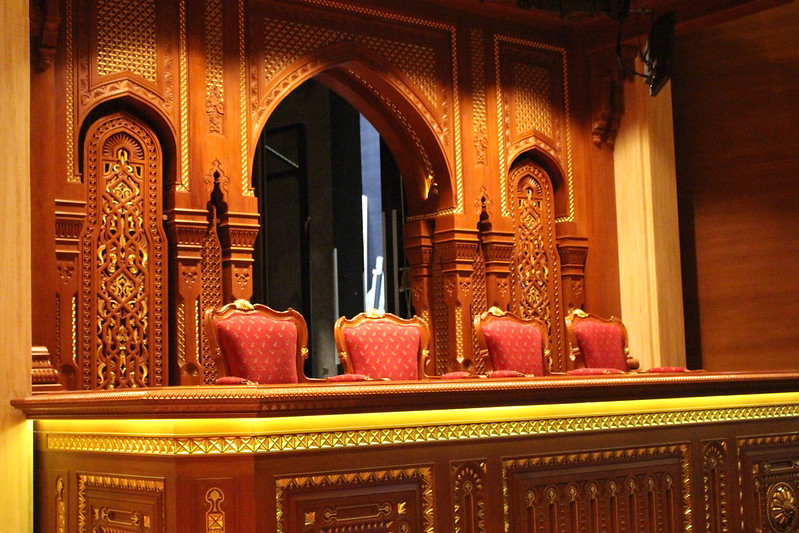
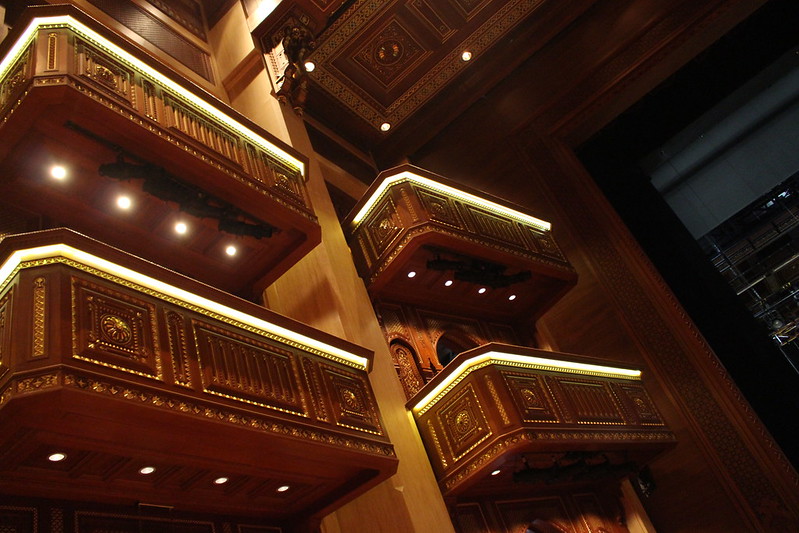
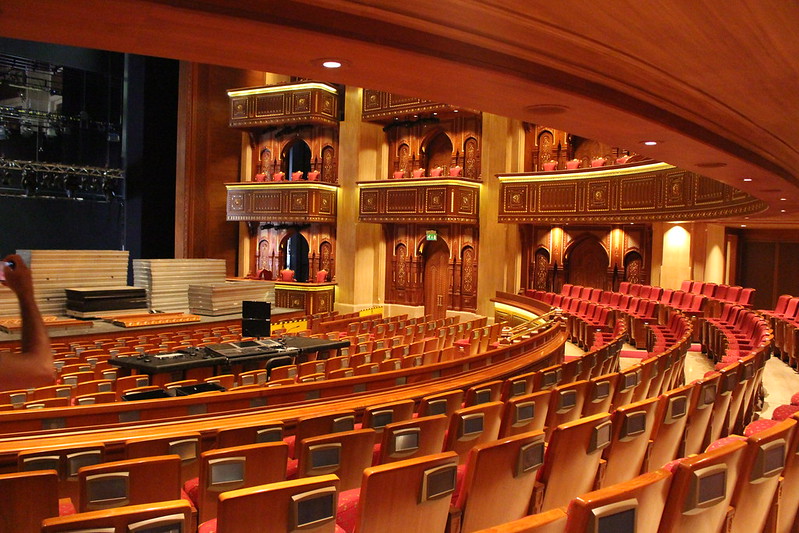
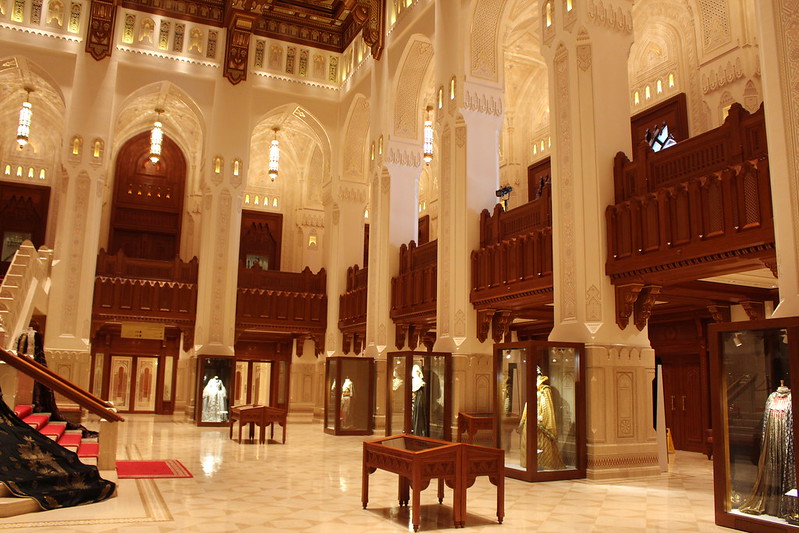
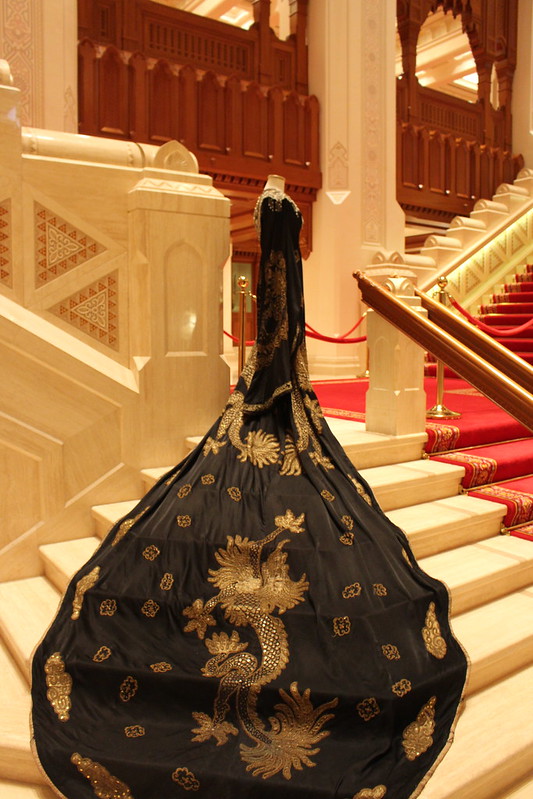
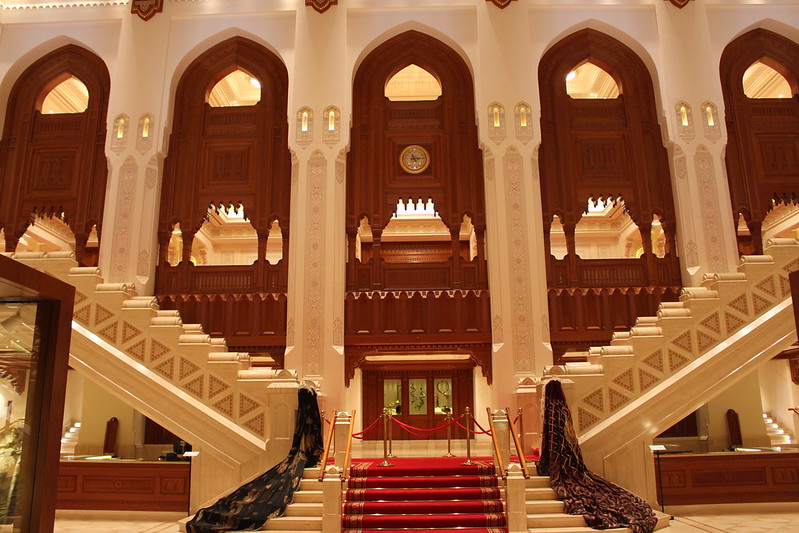
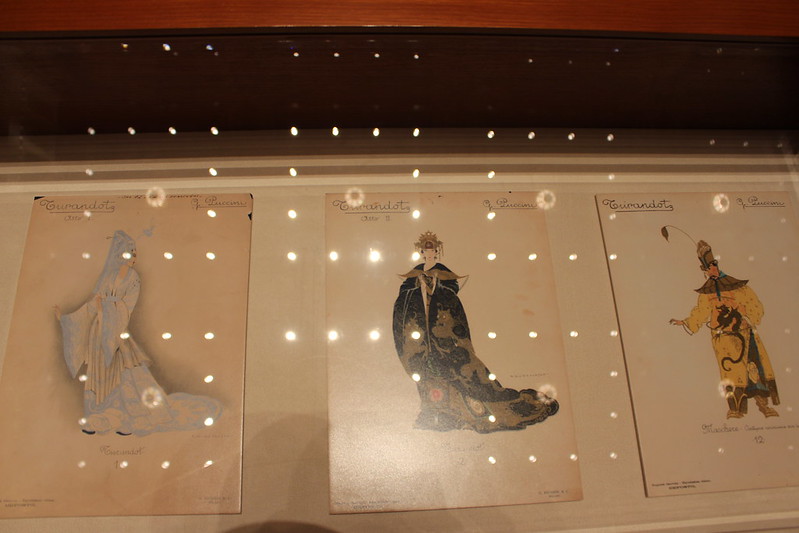
Opened in 2011 with a a production of the opera Puccini’s Turandot that was conducted by none other than Placido Domingo, the ROHM is very impressive combining western opera houses decor with Omani architecture. The tour included free time in the foyer which was stuffed full of memorabilia from all of the shows that have been shown there including costumes from Turandot and Aida.
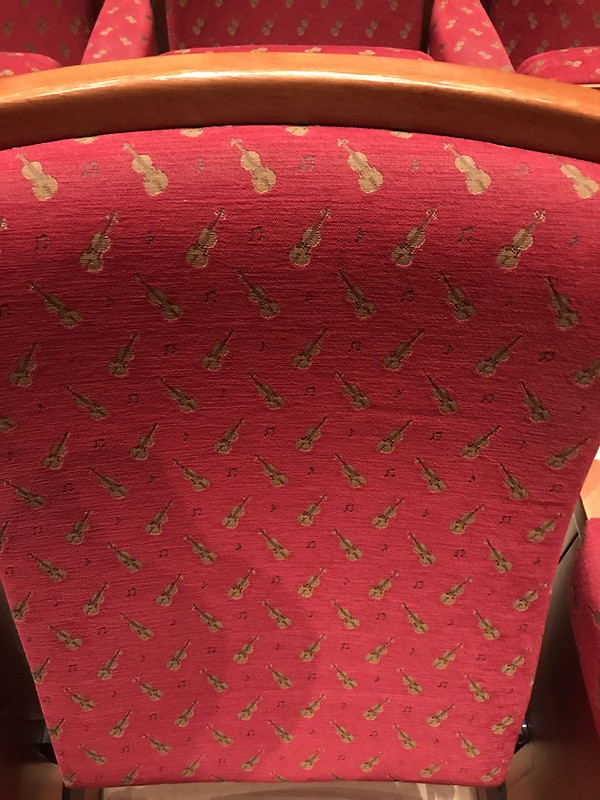
The auditorium itself was both beautiful and technologically advanced with each seat boasting the latest Radio Marconi seat-back interactive system and an automated system to convert from an 1,100 seater setting to an 800 seater intimate concert set-up.

Our last stop was to see the Sultan Qaboos Grand Mosque. You can read all about that here. (It really deserves it’s own post).
 JKRoaming - Travel Blog
[…] last stop on our Oman Stopover was to visit the most famous landmark in the city – the Sultan Qaboos Grand […]
LikeLike
Great use of a stopover.
LikeLiked by 1 person
Lovely! Oman has long been our list to visit.
LikeLiked by 1 person
That’s great to hear. It was quite different to the UAE or Qatar from our experience and Oman Air were great to travel with.
LikeLike
Thanks for the pics, what a change, my first visit to the Gulf was in 1962 and over the next few years I saw most of the places from Basra to Aden. Stopped over in DXB on the way to Europe a few years ago – what a change :- o)
LikeLiked by 1 person
Thanks for stopping by. Yes you will have seen crazy changes as it wasn’t until the 1970s when a lot of the oil industry got going in the region helped by the high prices.
LikeLiked by 1 person