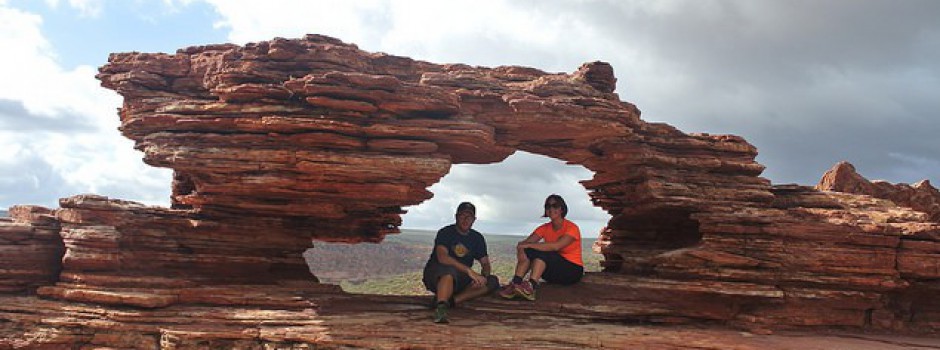
“My name is Ozymandias, king of kings:Look on my works, ye Mighty, and despair!”
Nothing beside remains. Round the Decay.
Situated on the banks of the river Tungabhadra, lies those ruins of a once grand and ancient capital city of the Vijayanagara Empire. At it’s height this medieval Hindi empire ruled all of Southern India including Goa, Kerala, Tamil Nadu, Andhra Pradesh and even Sri Lanka
For most of the time that this Empire existed (1336 to 1646) it’s capital resided in Hampi after being chosen by Telugu Prince Harihararaya. As the empire grew so did the capital – with numerous temples, fams and trading markets established. By 1500 AD it was deemed to be the second largest city in the world after Beijing in China. It’s enormous wealth attracted traders from nearby Persia and Europeans, mostly the Portuguese based in nearby Goa who called it the “wealthy, grand city”. At that peak it had over half a million inhabitants (Nicholas F Gier (2014))
But with any Empire, especially wealthy ones, a downfall is forthcoming and in 1565 a confederacy of Deccan Sultanates defeat the Army of the Vijayanagara Empire including capturing and beheading the King Aliya Rama Raya . Over the course of six months continued looting and razing reduces Hampi to ruins, destroying the kingdom forever.
Today the ruins occupy a site over 16 square miles long while it also continues as a religious centre with Virupasksha Temple and various other monuments. It’s fame came from the Kishhkindha chapters of the epic poem Ramayana and led it to be a Hindu pilgrimage site. In fact it pre-dates the Vijayanagara Empire as a religious centre so one could say it simply returned to its roots.
In 2014 a pair of Celtic emissaries arrived and discovered the ruins of this once thriving metropolis. They come bearing messages for those back home.
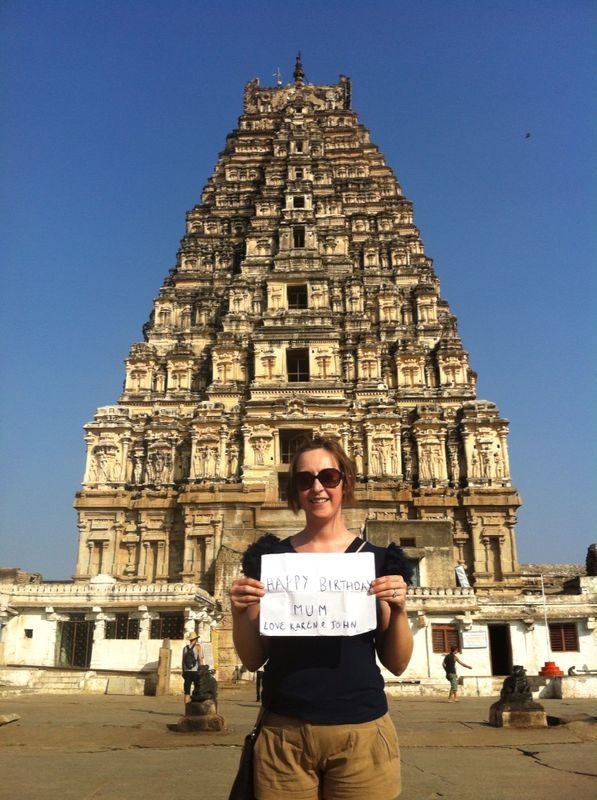
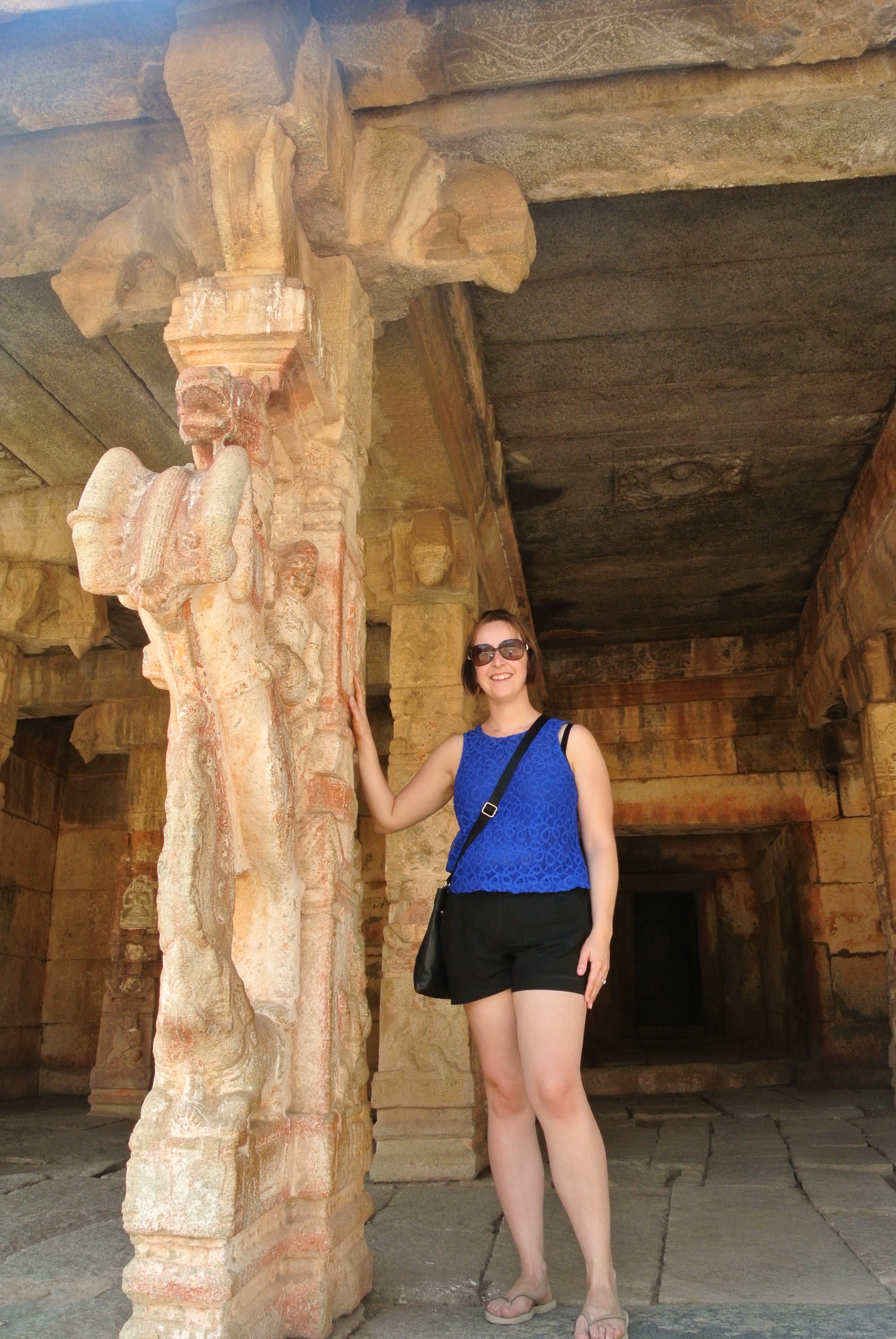
A number of days were spent exploring the Hampi Site as it is vast (36 sq. km and 3,700 individual monuments). There was evidence of multi-religious and multi-ethnicity tolerance as a number of Jain monuments can be seen right next to Hindu ones. After the fall to the hands of the Deccan Confederacy it was not until the 19th century that any conservation and restoration work was carried out by the British Archaeological Survey and other officers , chiefly Alexander Rae and Colonel Colin Mackenzie (fellow Scots).
The commute from the hostel was one of sheer terror and laughter. Bikes, Motorbikes, bags, buggies. Everything gets on the rickety boats necessary to cross the Tungabhadra River.
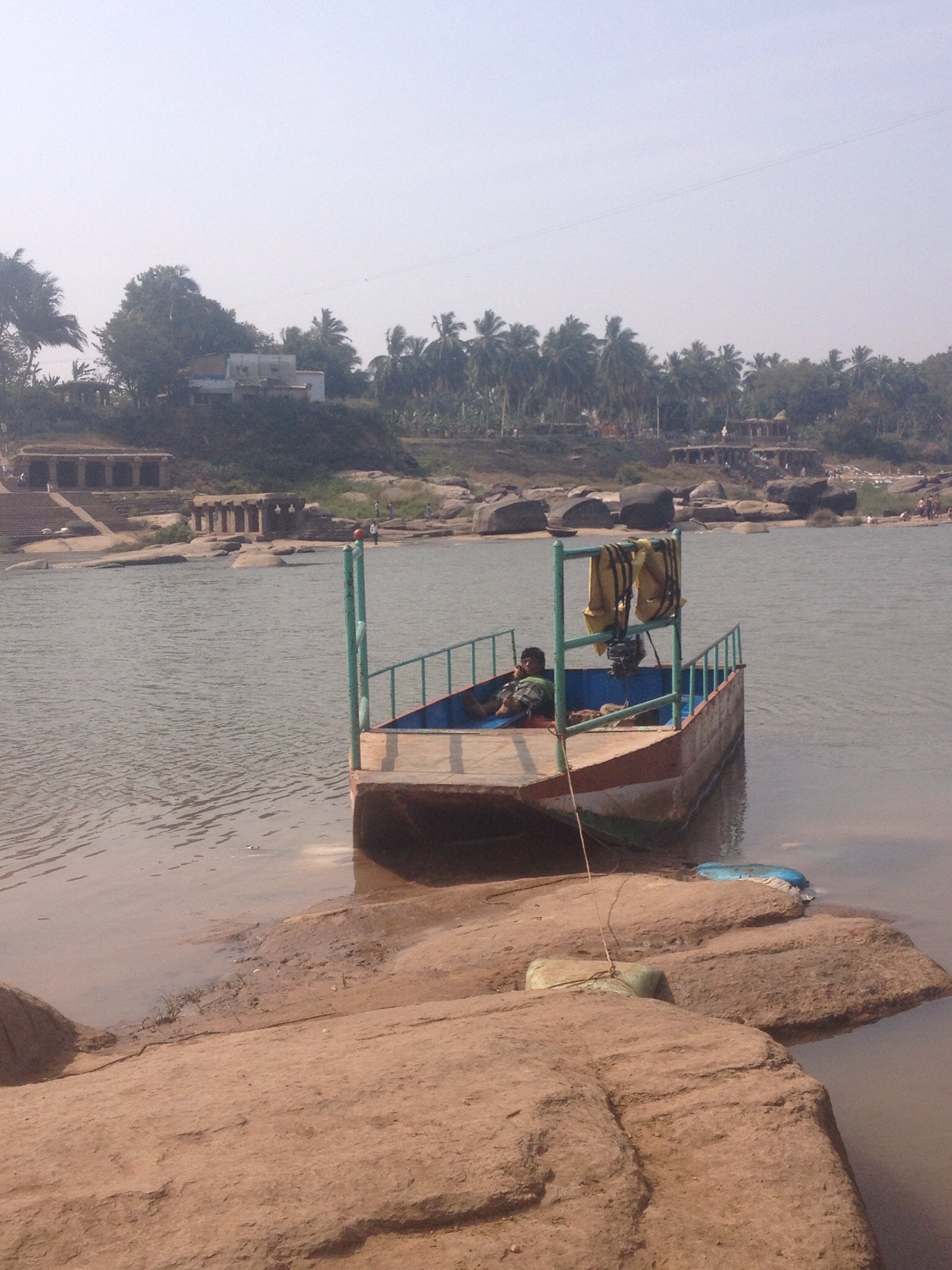


For the small price of 10 Rupees you too can experience a river crossing as wild as this.
The river crossing from Virupapur Gaddi to Hampi Bazaar is the closest feeling to storming the Normandy beaches in Allied Landing Craft. You are tightly packed in and are braced for the crash landing on the rocks/beach. Once landed you have to scramble up the river bank dodging hawkers and tour guides like incoming fire. Exhilarating!
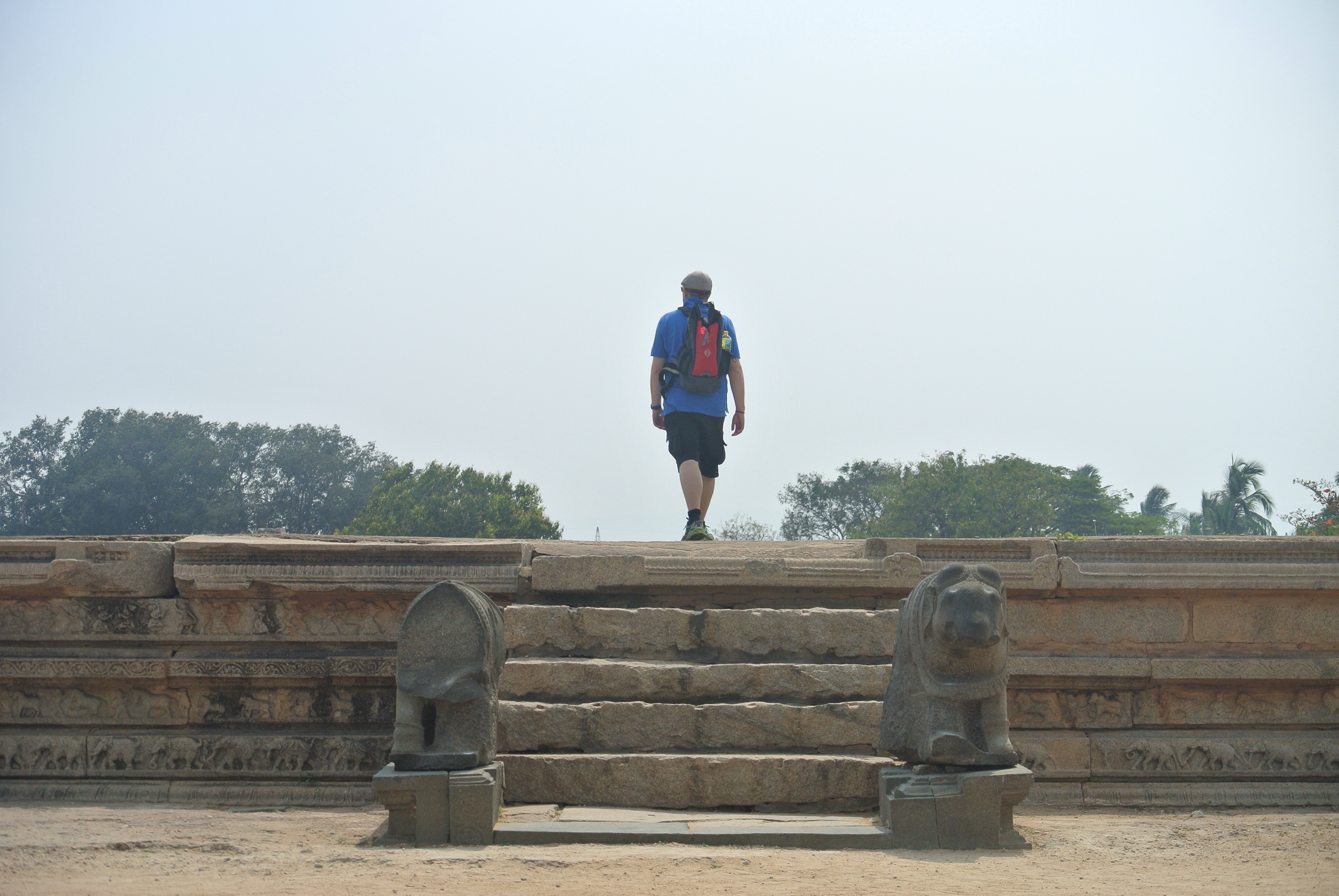
Once landed the camera is un-holstered and the snapping begins. Hampi and it’s surrounds is one of the most beautiful places in the world (Sorry Connemara you have been relegated!). A collection of still standing temples, ruins, unexplainable rock formations and statues gives the whole place a magical mystical feel.
Highlights
Everything here is pretty awesome but we did have some favourites
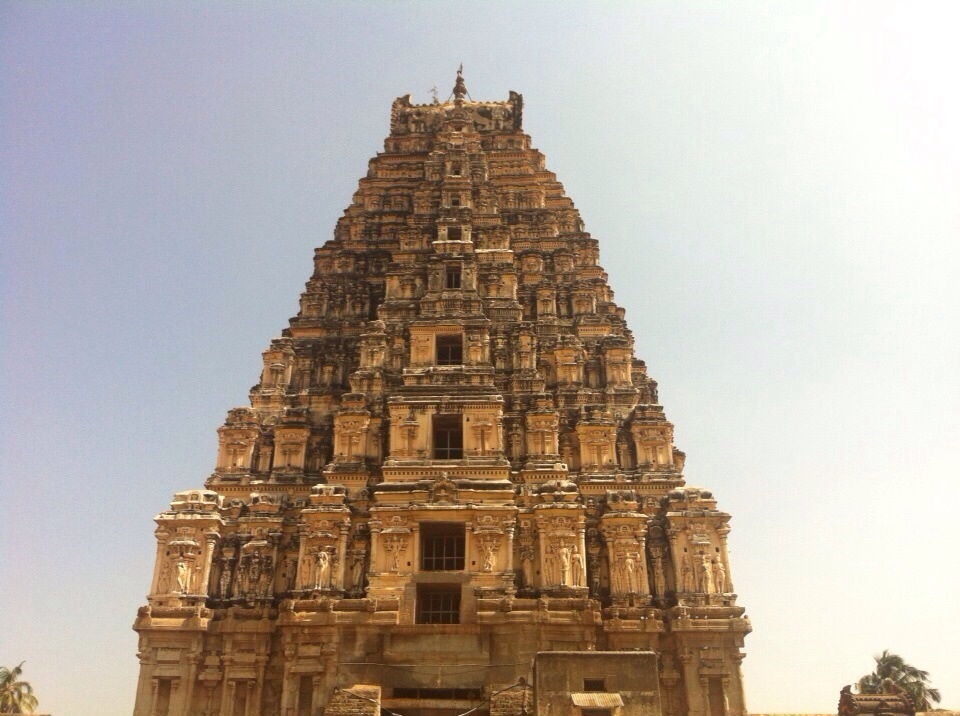
- Virupaksha Temple and Market Complex – This is the main attraction and the main image conjured up by the mere mention of Hampi. It’s the oldest shrine and principal destination for pilgrims. It is also right next to the entry point so you dont have to go looking for it. It has a 50 metre high gopuram (entrance tower to a temple).
- Vitthala Temple and Market Complex – around 3km northeast of the Virupaksha Temple is the most artistically sophisticated of the Hindu temples at Hampi. It was built in the 16th century and is a collection of shrines and temples all situated in a square pattern.
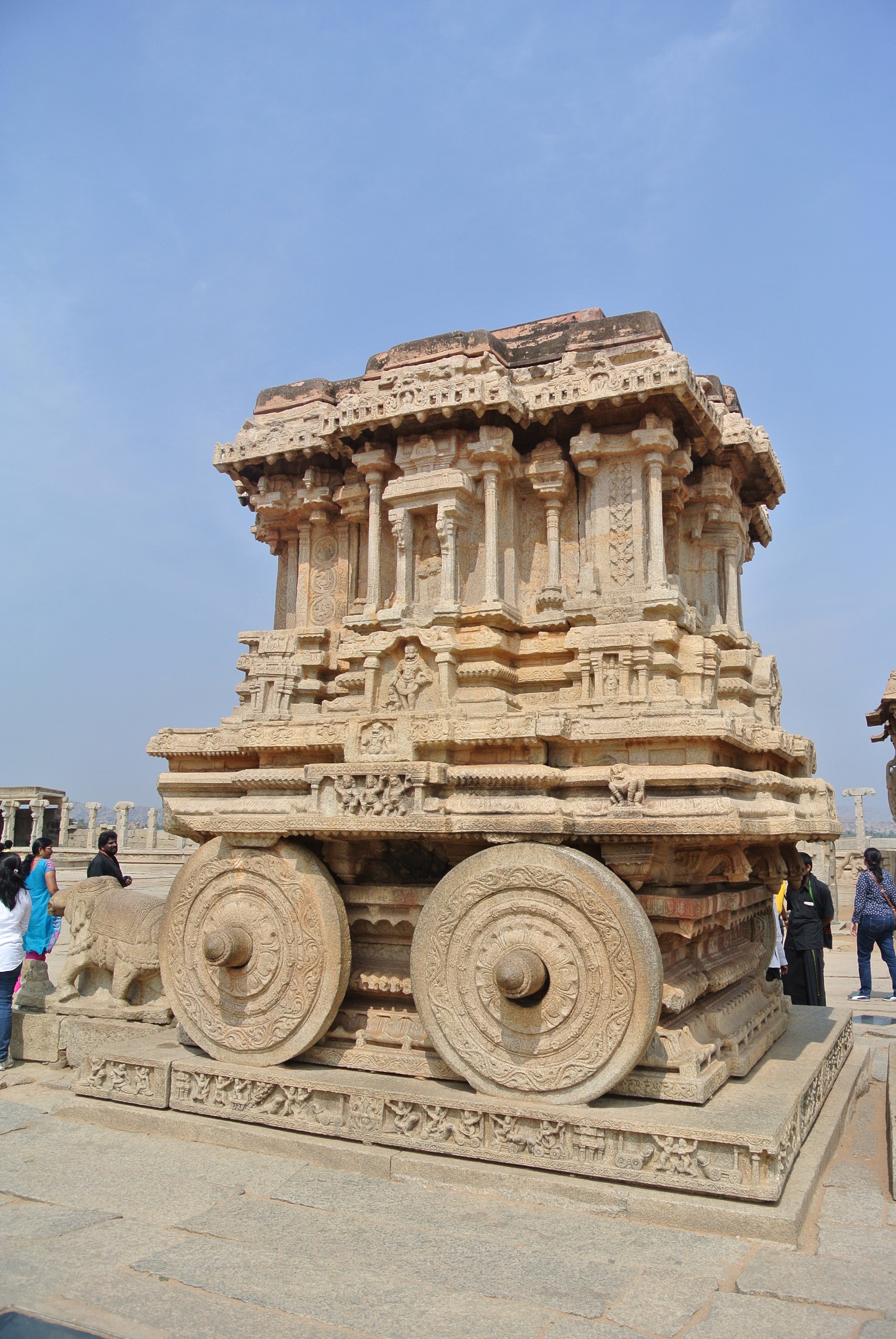
- Stone Chariot – located in the Vitthala temple complex is a garuda shrine in the form of a stone chariot. This is often pictured and has become a symbol of Hampi over the years.
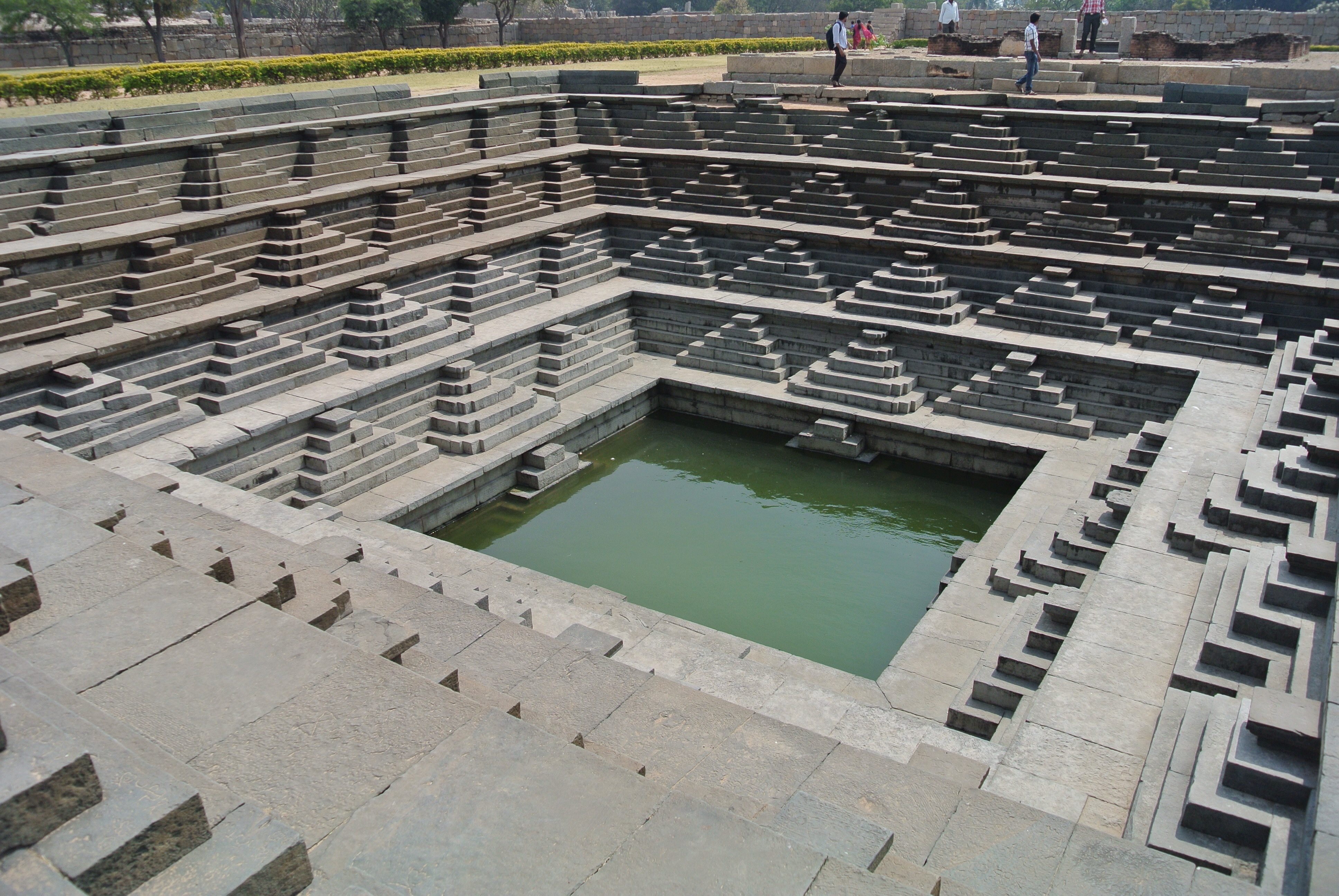
- Pushkarani stepped baths – located near the Krishna Temple the symmetry and engineering is quite something.
- Hazara Rama Temple – this occupied part of the urban core of the royal section of Hampi and was a ceremonial temple for the royal family. It’s outer walls portray the Hindu Mahanavami and Holi Festival parades and celebrations in parallel bands of artwork.
Thanks to Karen’s friend Kamila who recommended Hampi to us.



Hampi Tip #1:Outside of the Temples and monuments there is not much sun protection – bring plenty of sunscreen and wear a hat. Bring plenty of water but you can buy some from vendors – just really check that the seal is not broken before you pay or you will get sick. You have to have your legs covered in some of the temples but it’s normally quite hot out so best piece of advice is to wear those adventure trousers with zips at the knees or bring a shawl with you to tie around your waist.
 JKRoaming - Travel Blog
Looks like an amazing place. X
LikeLike